 Local
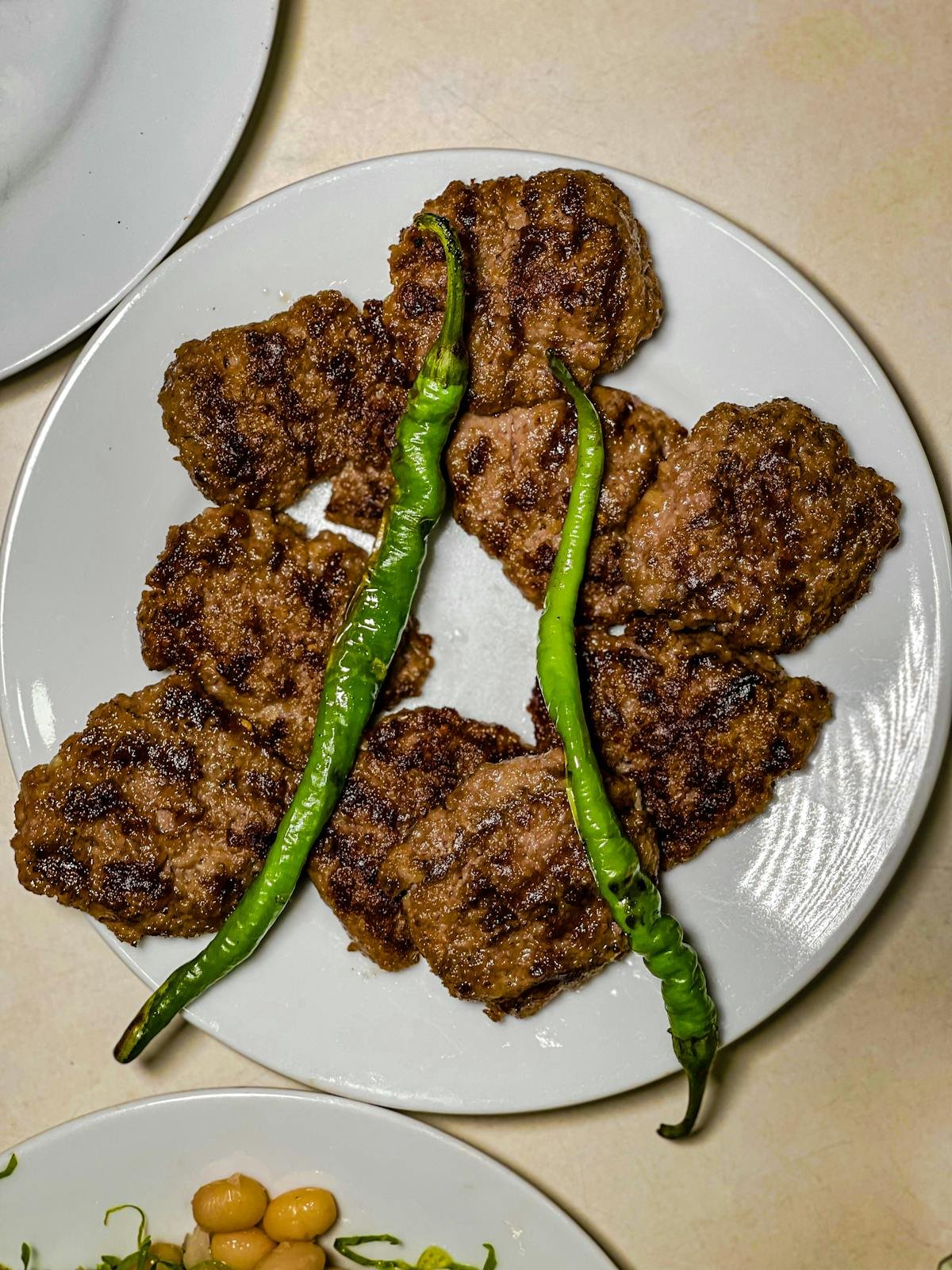
Chapli Kabab
Spiced minced beef patties pan-fried with green chilies, coriander and pomegranate seeds.
A Pashtun classic loved across KP.

Explore peaceful valleys, blue rivers, green mountains, rich culture, local food, and timeless natural beauty in one of Pakistan’s most loved destinations.
Discover Swat is an information guide created to help people explore the beauty, history, culture, food, and travel knowledge of Swat Valley. Whether you want to learn about famous places, peaceful lakes, mountain views, local traditions, or useful travel tips, this platform brings everything together in a simple and inspiring way.
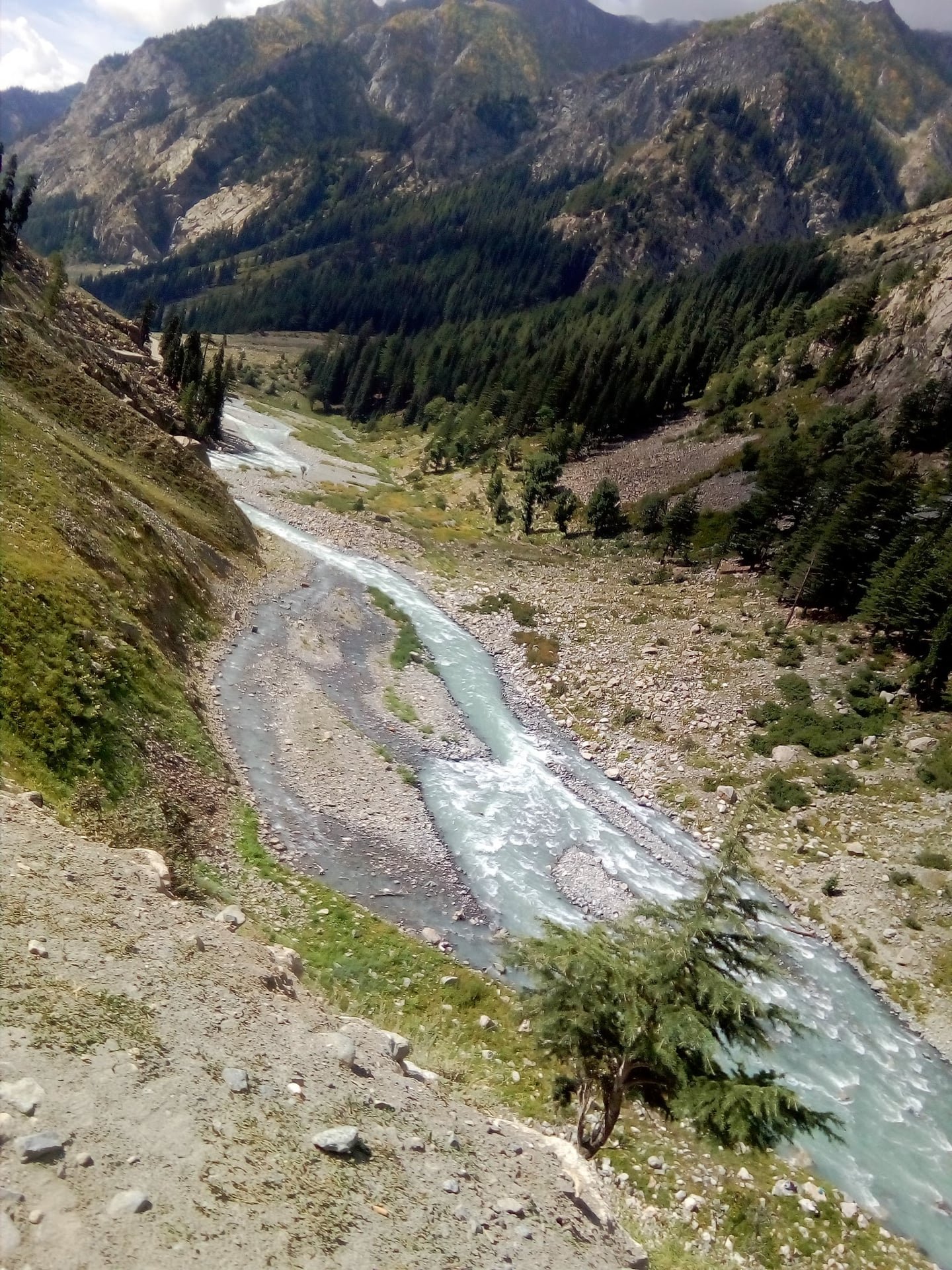
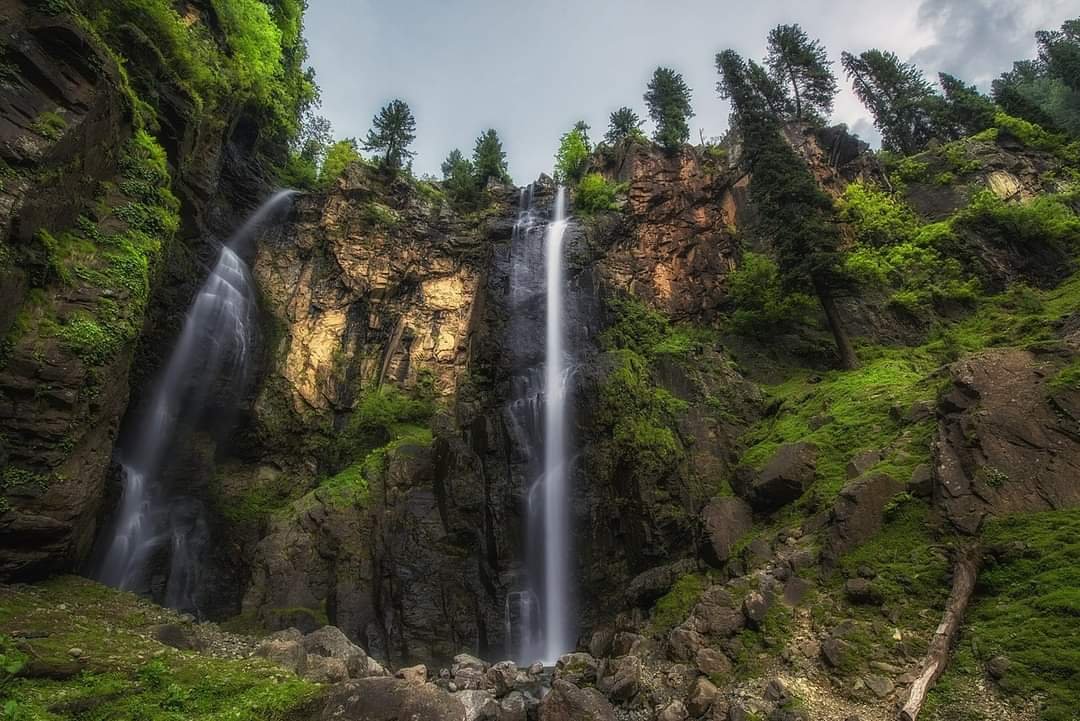
Famous valleys, towns, and viewpoints across Swat.
ExploreAlpine lakes, glacial rivers, and green meadows.
ExplorePashto traditions, history, and local lifestyle.
ExploreTrout, chapli kabab, traditional tea, and more.
ExploreSeasons, packing, safety, and family travel advice.
ExploreVisual stories from the most scenic corners of Swat.
ExploreFeatured corners of the valley, swipe through and dive into each story.
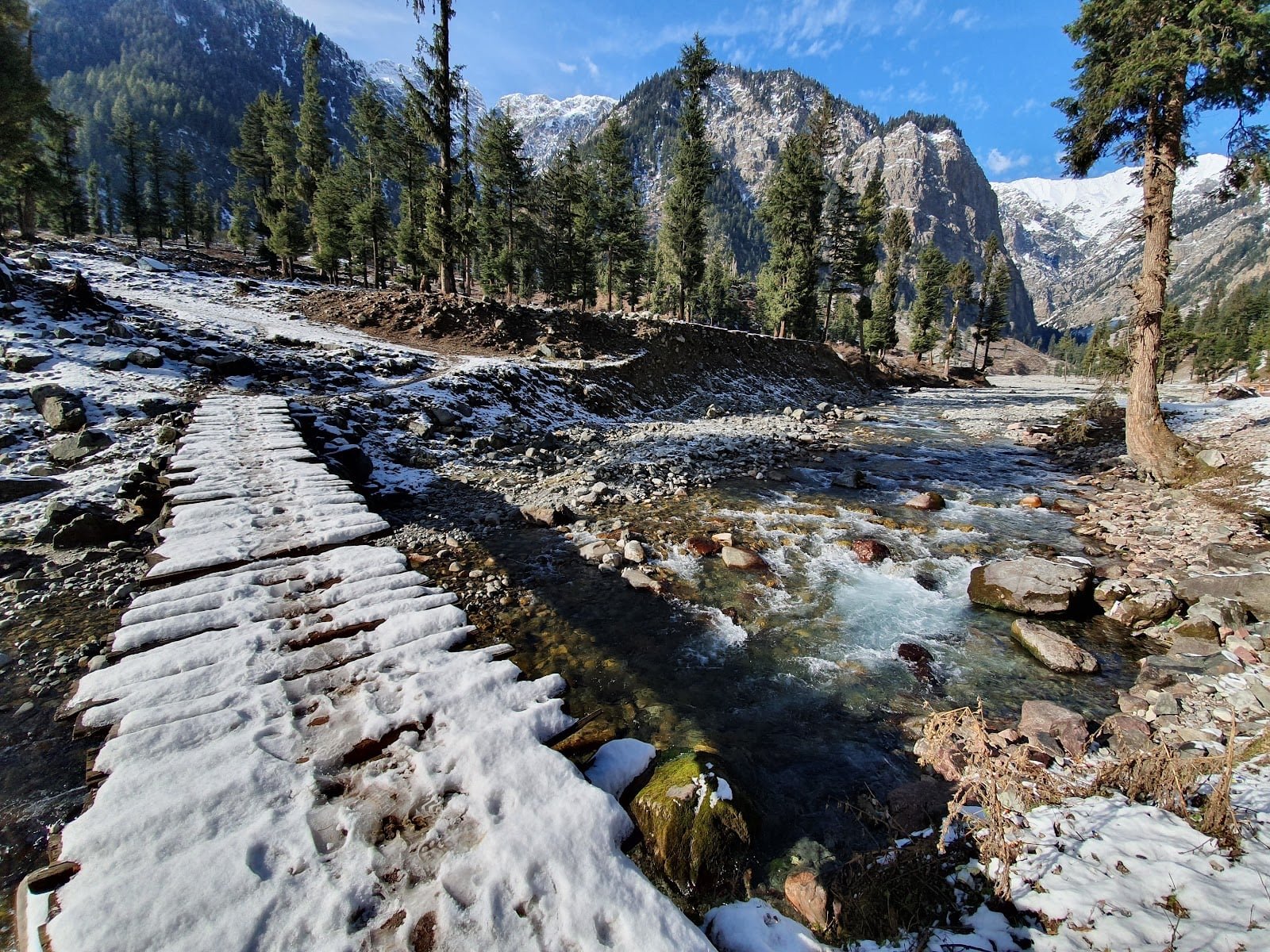
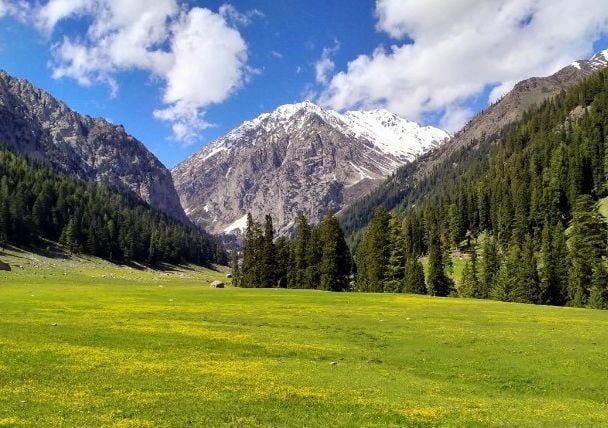
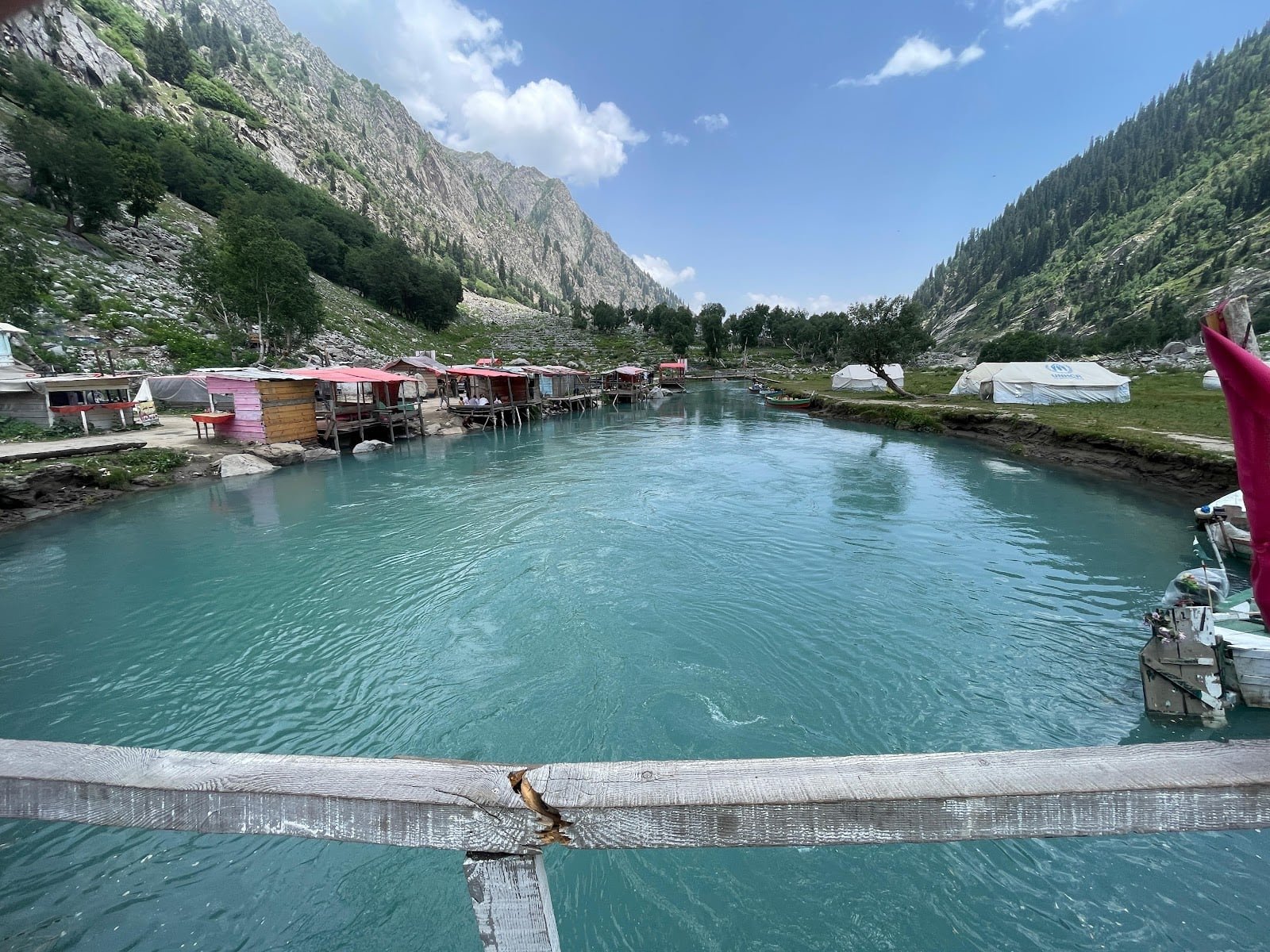
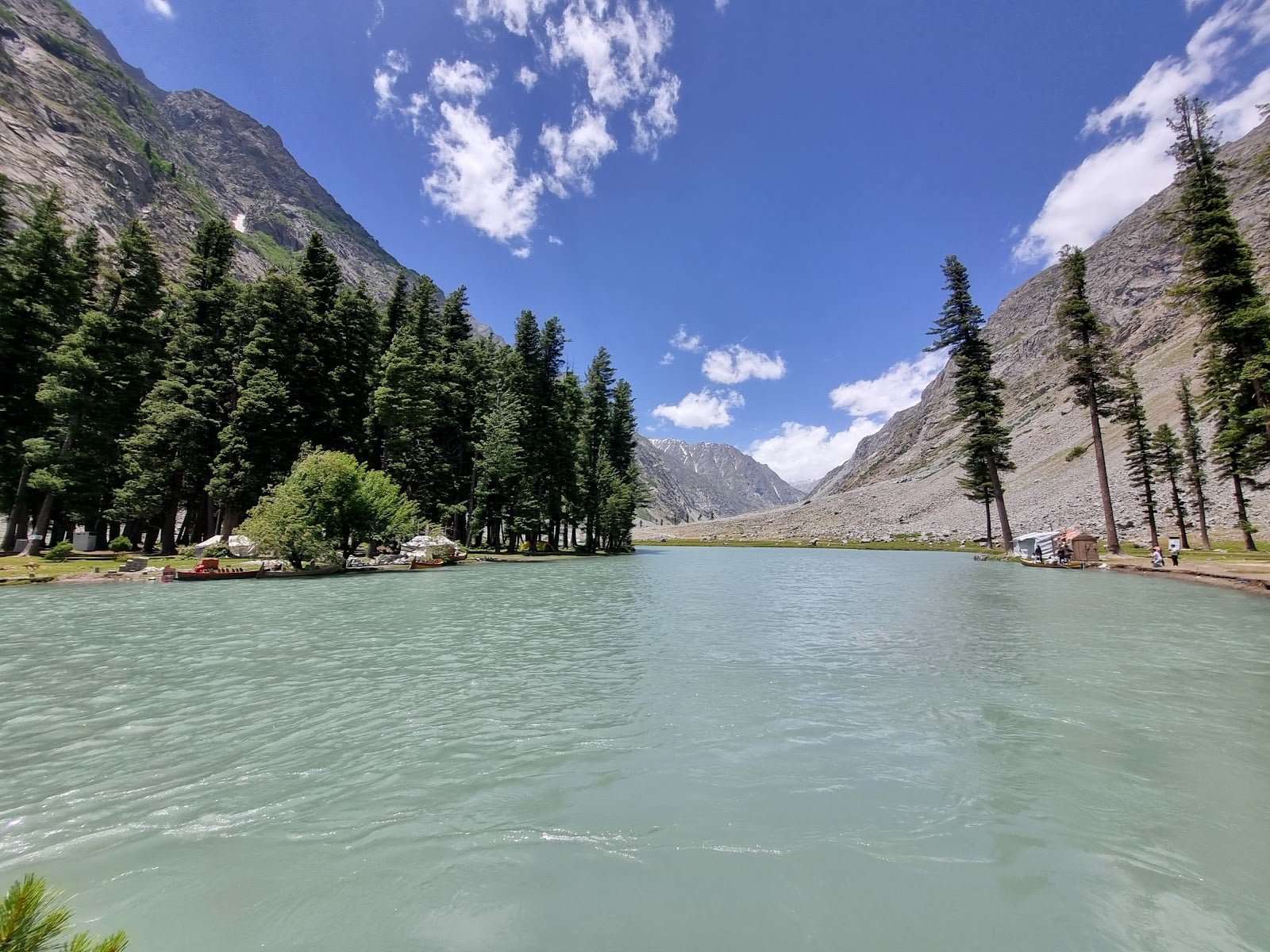
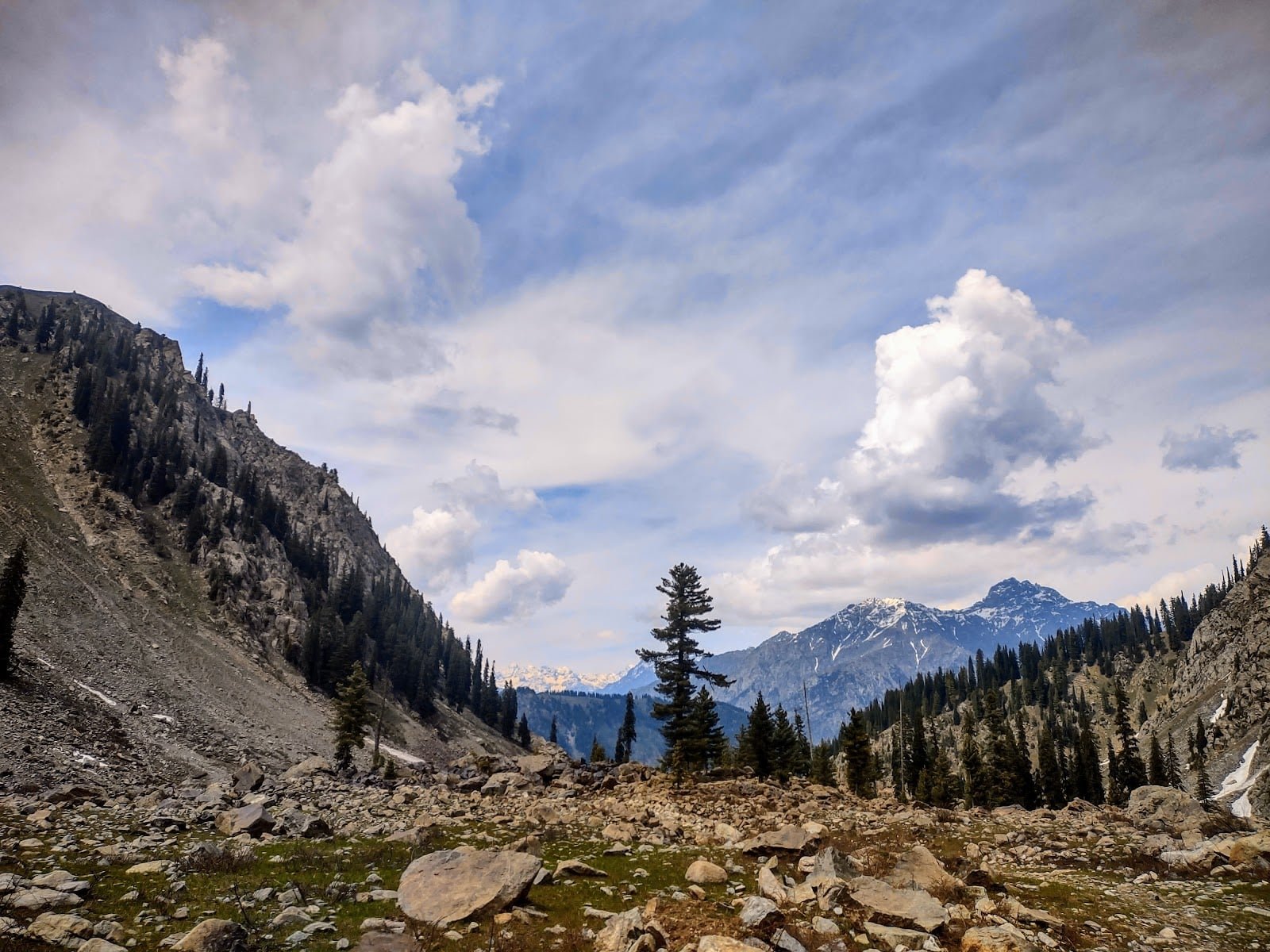
From the flowing Swat River to the snow-covered peaks of Malam Jabba and the peaceful beauty of Kalam, Swat offers a landscape that feels calm, fresh, and unforgettable.
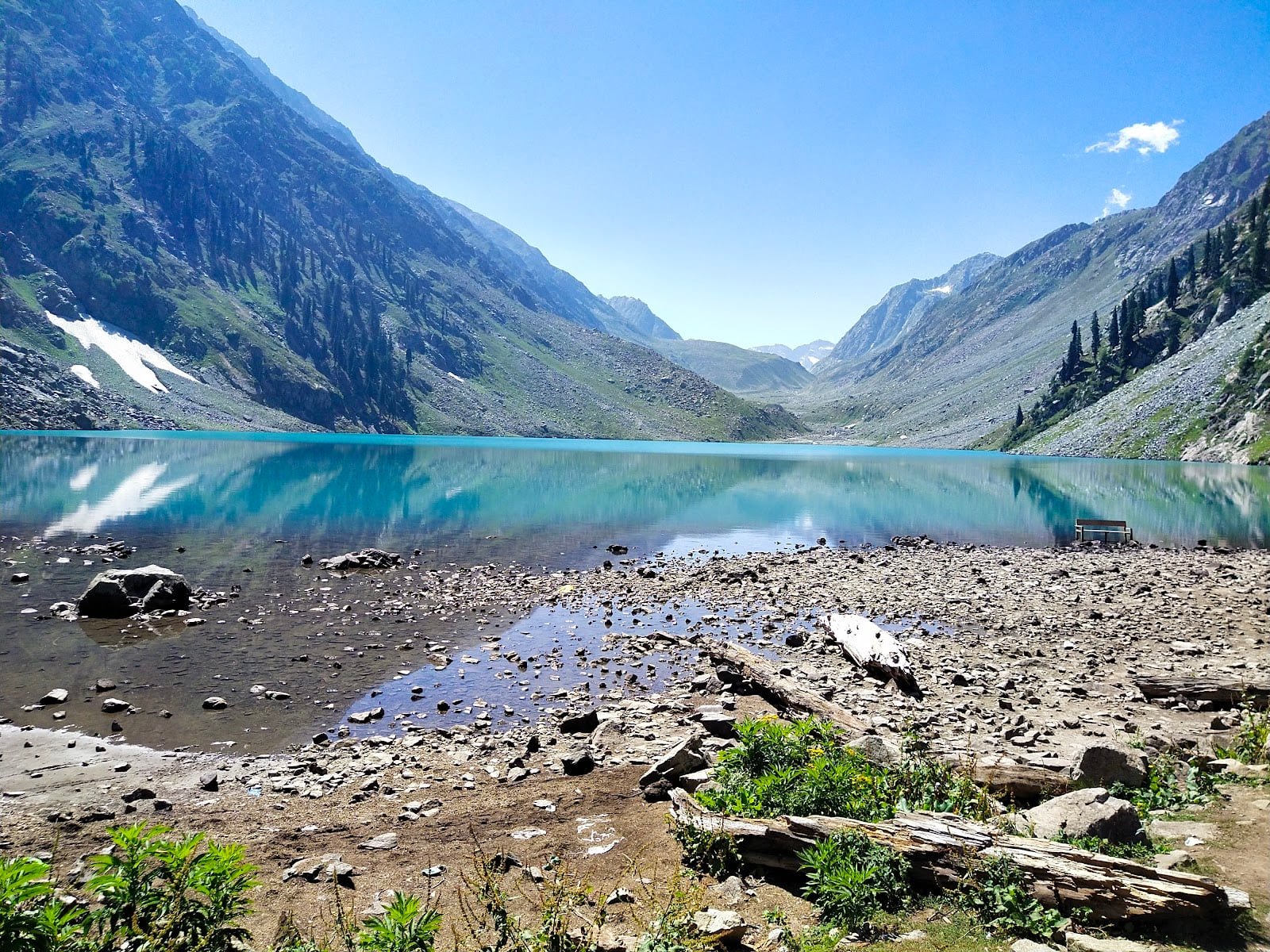
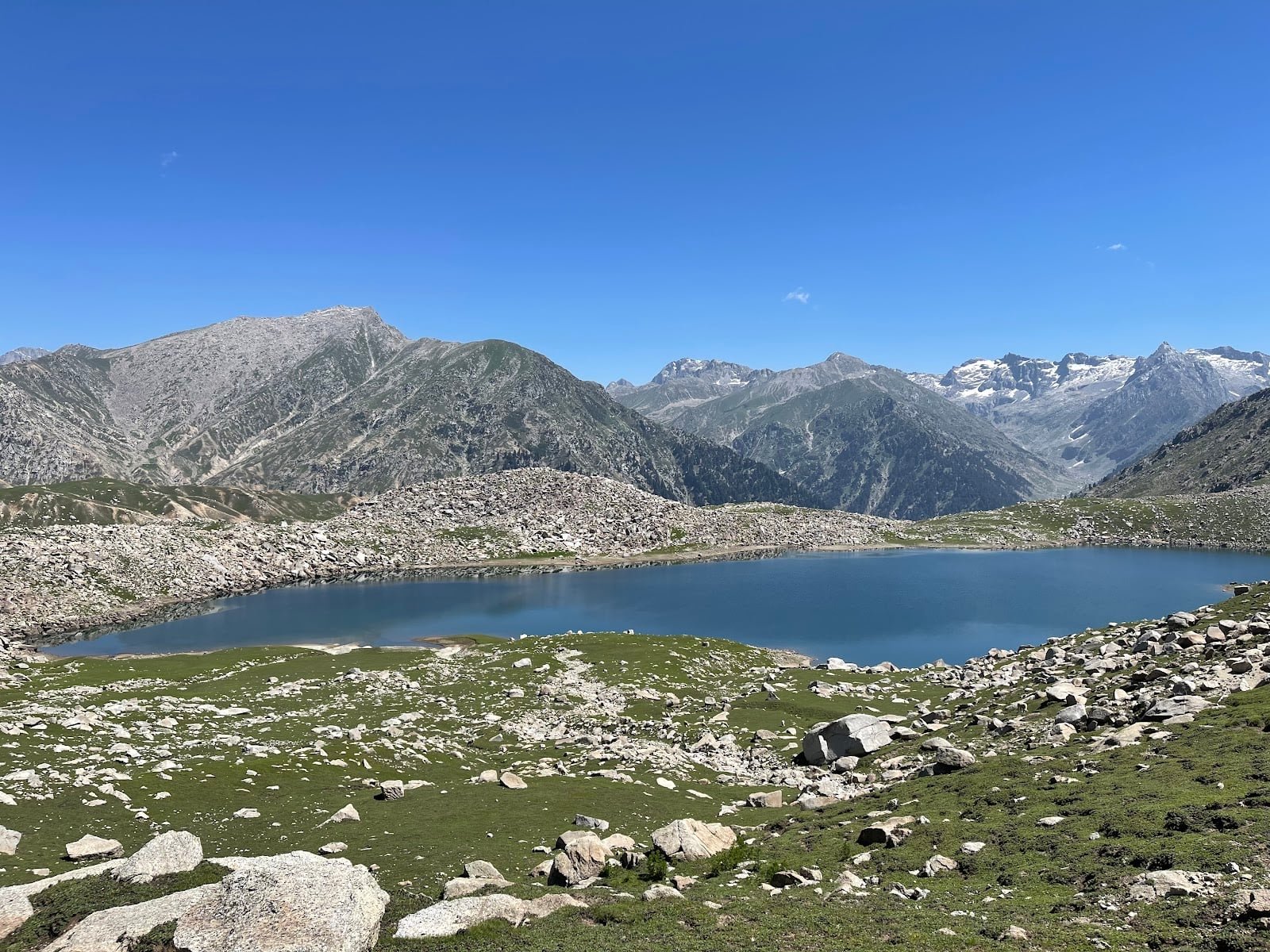
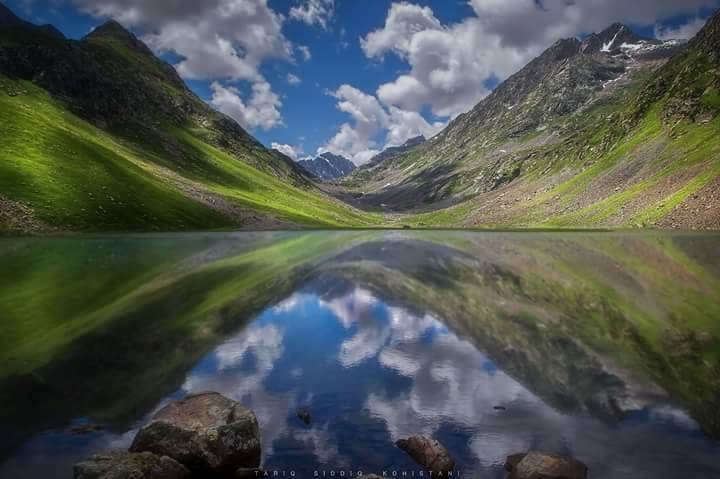
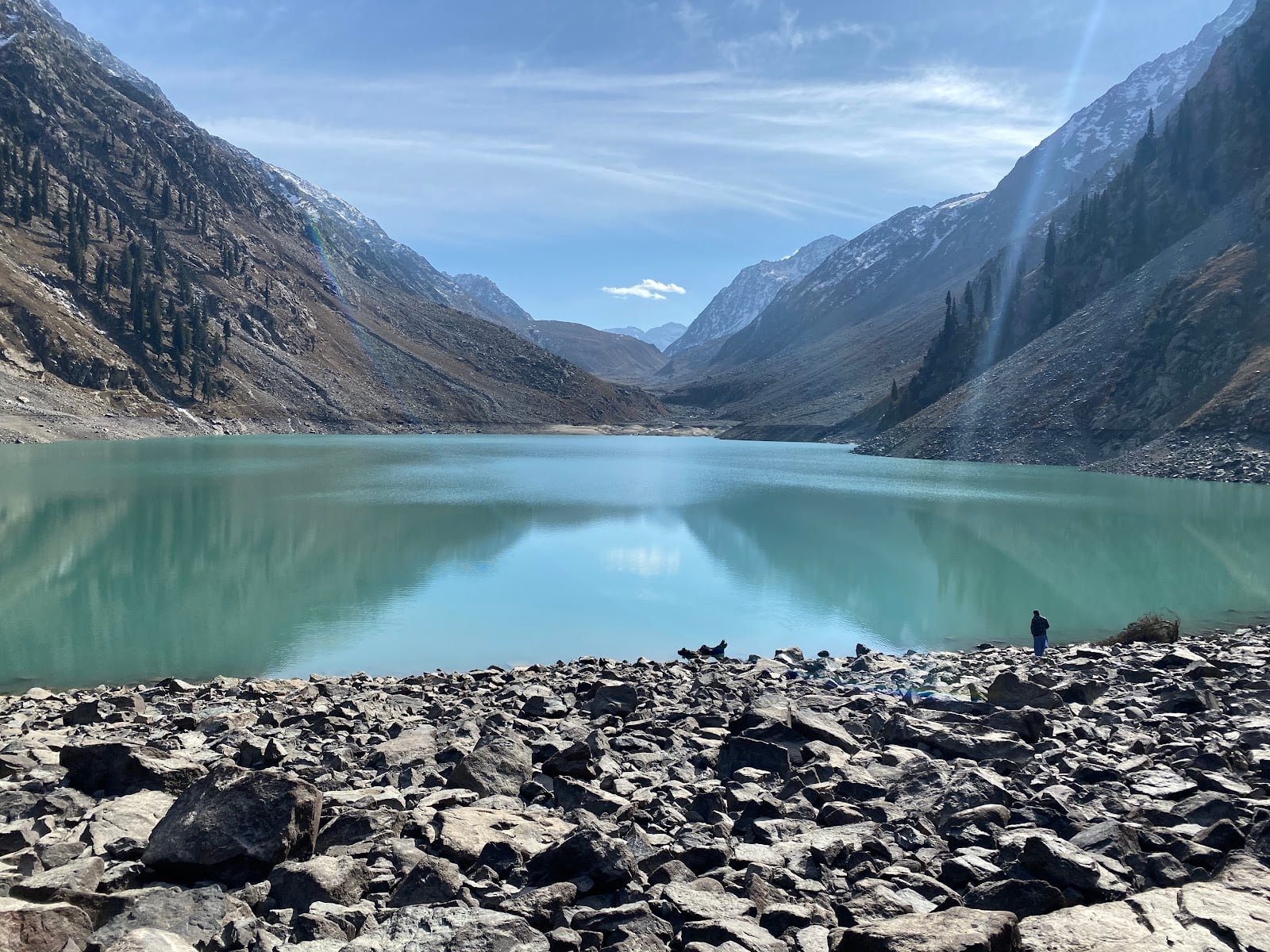
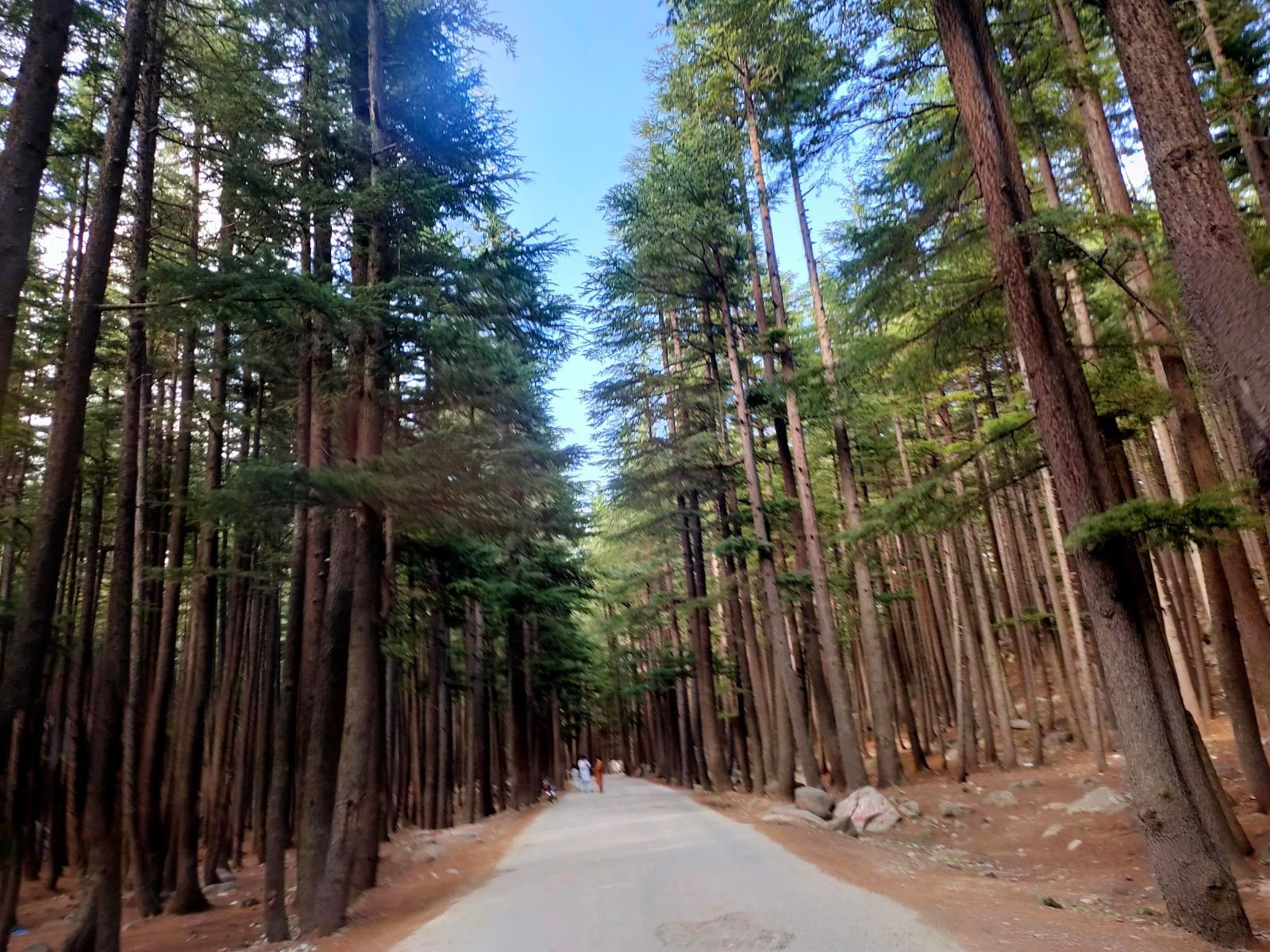
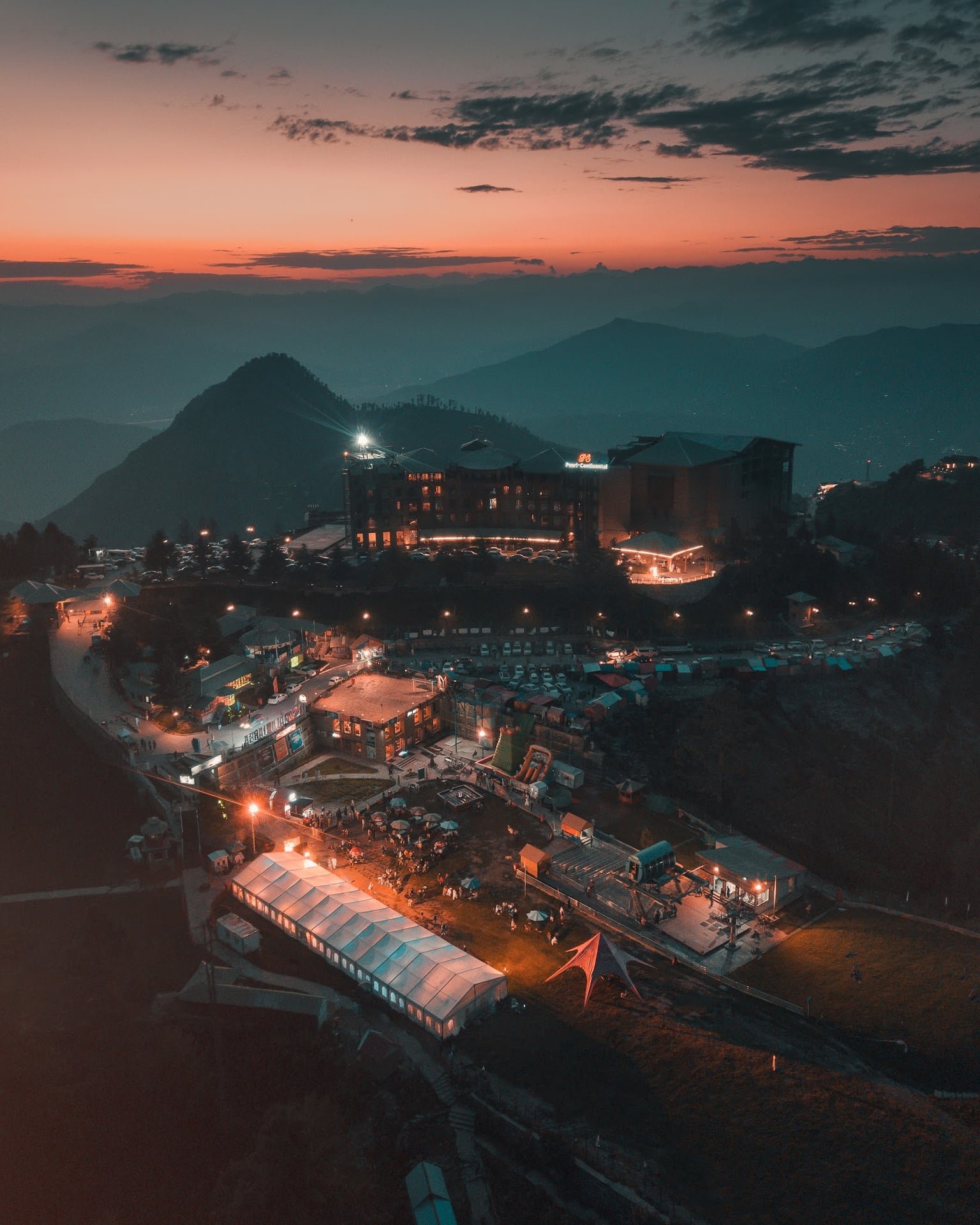
A glimpse into the alpine corners that make Swat unforgettable.
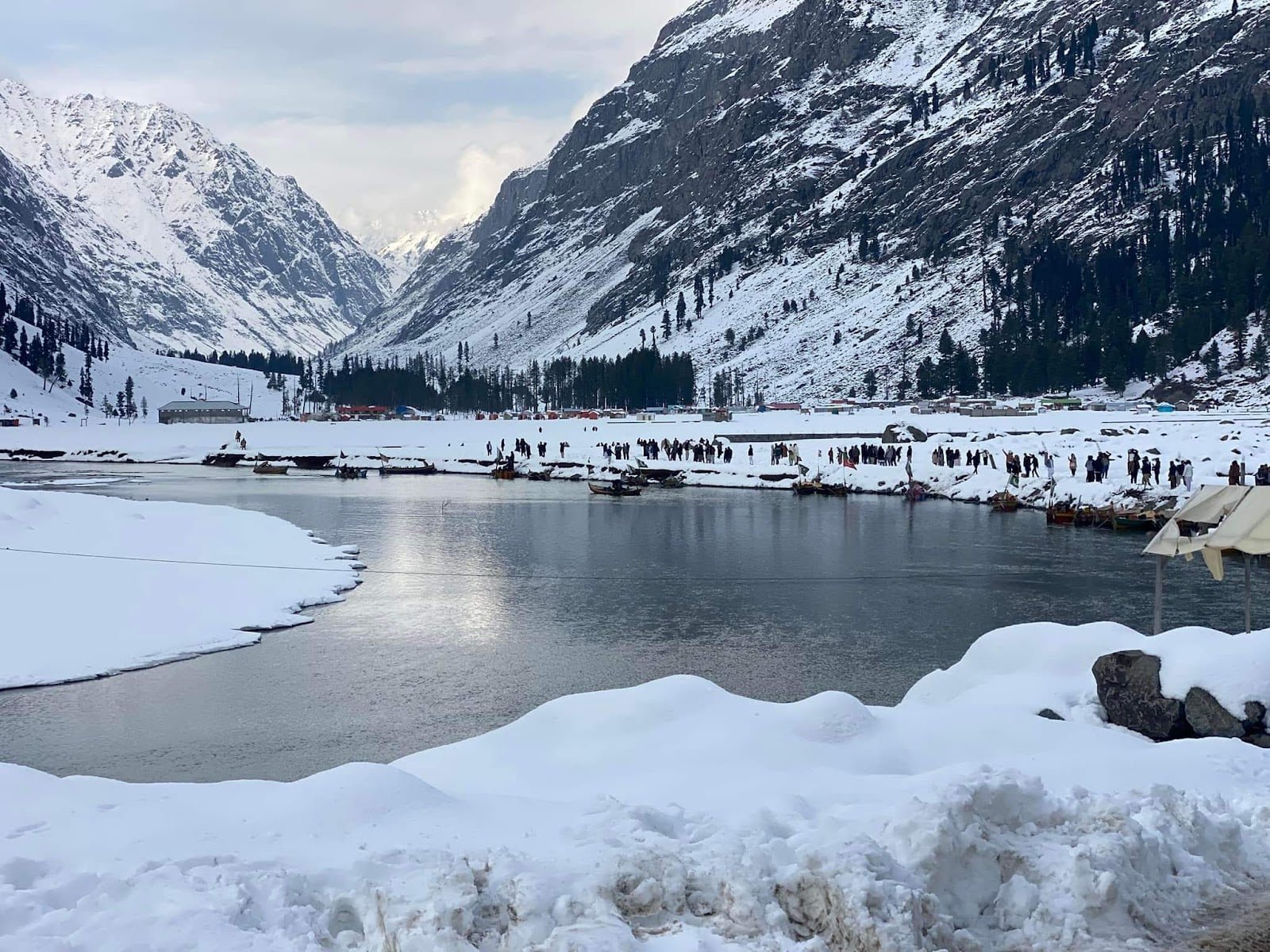
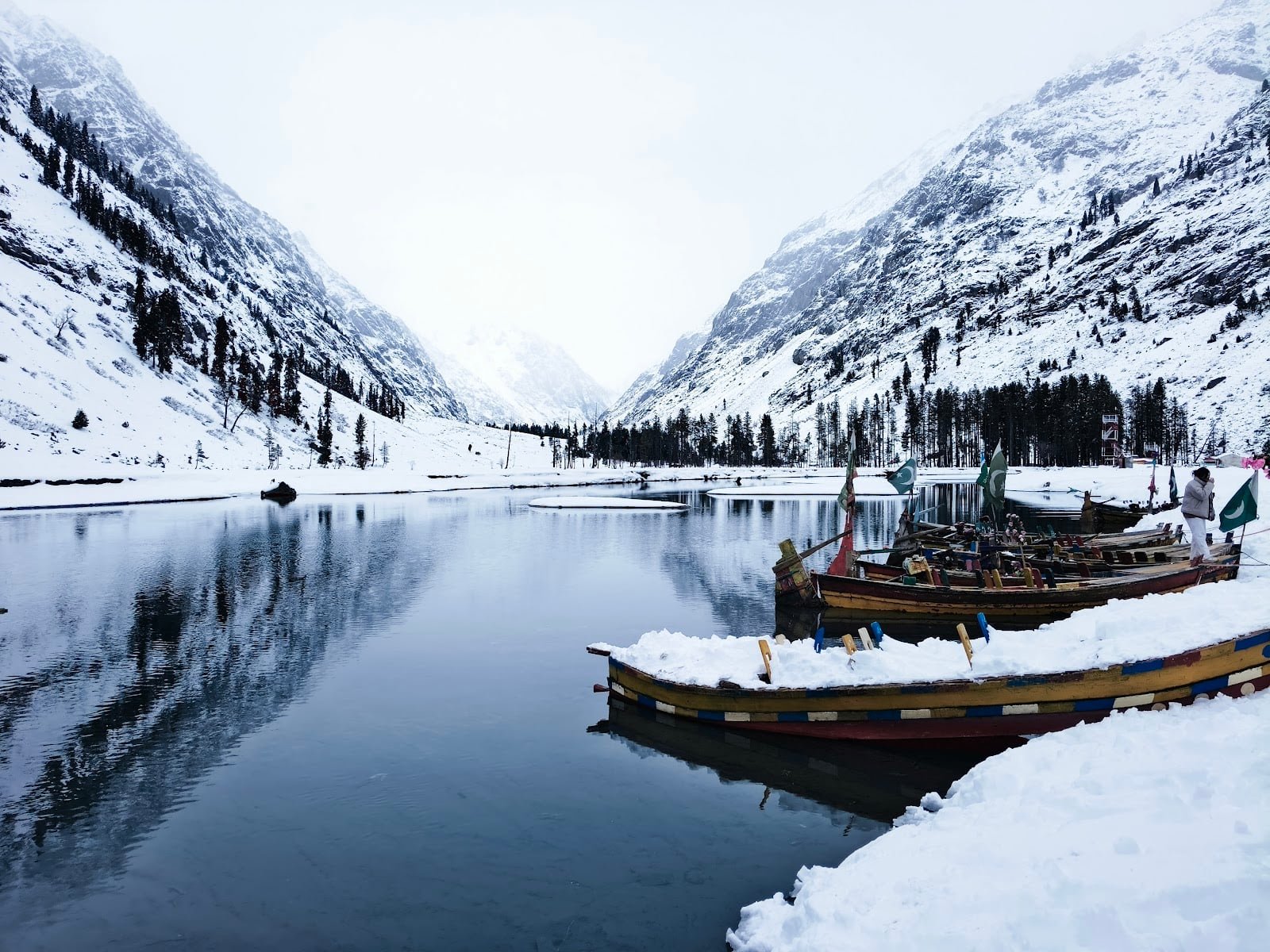
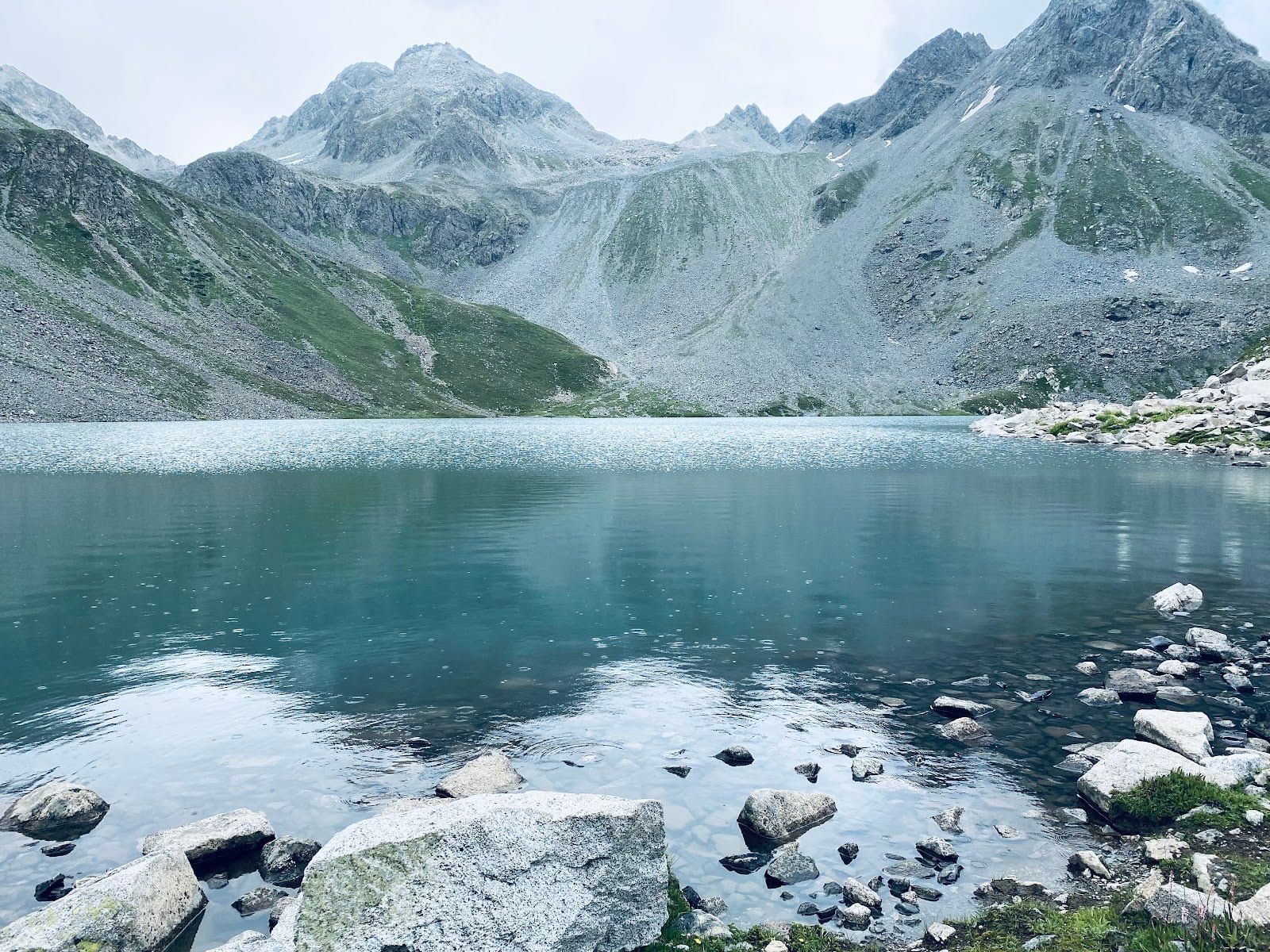
A glacial alpine lake near Kalam surrounded by snow-capped peaks and pine forests.
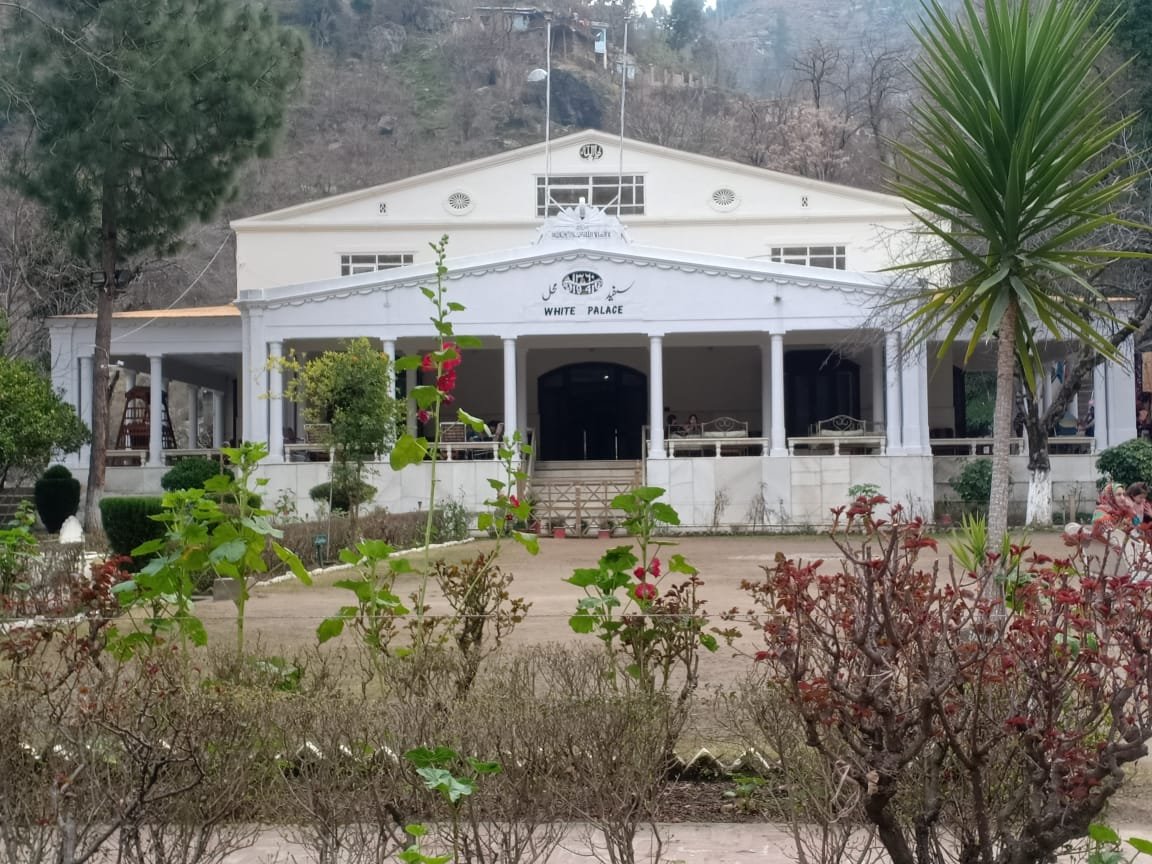
From White Palace Marghazar to mountain towns and valley bazaars, Swat culture is visible in trade, language, hospitality, rabab music, and daily routines.
Tea, guest welcome, and respect remain central to daily life.
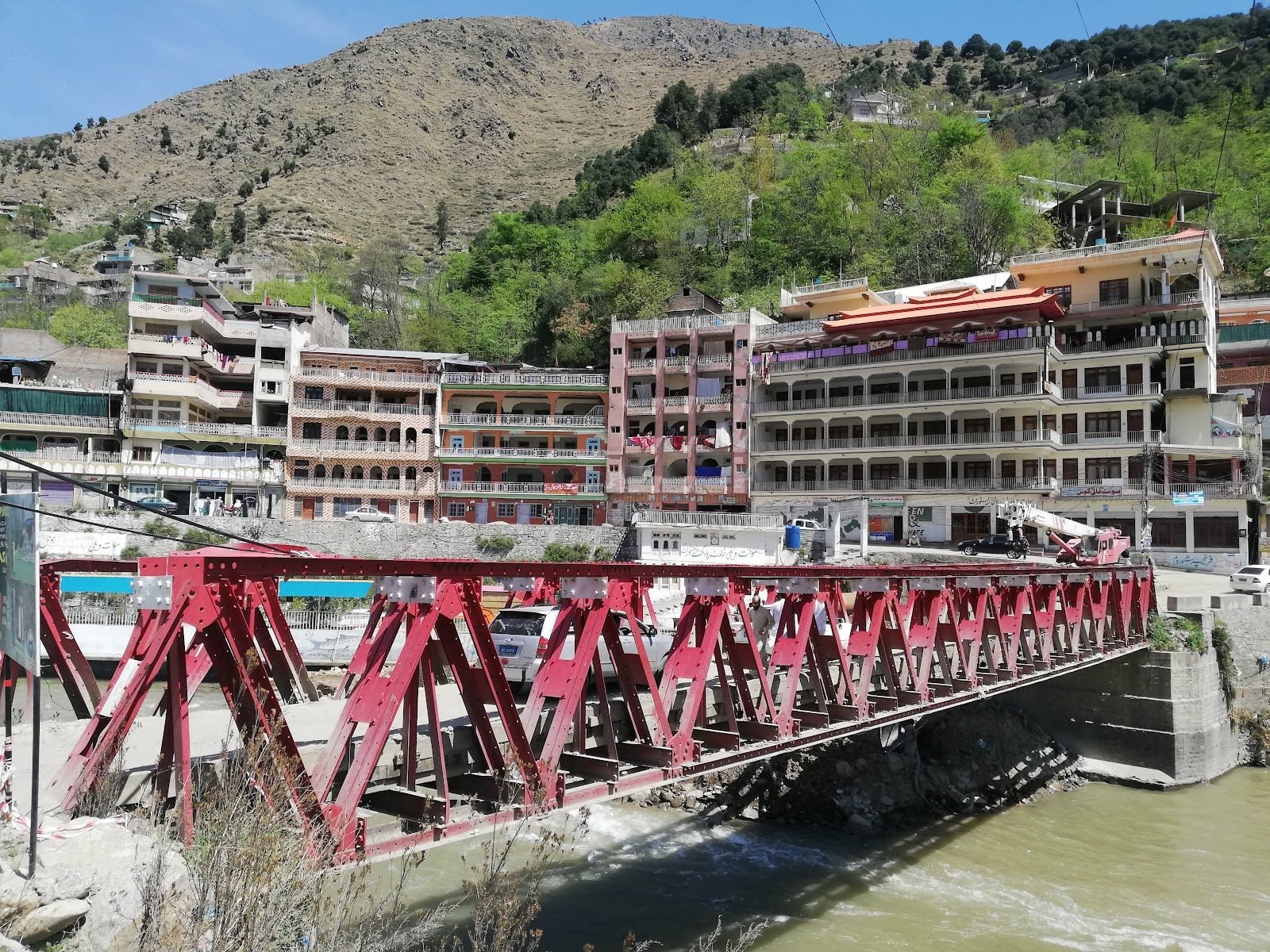
Valley bazaars, local shops, and the everyday rhythm of Swati towns.
Rabab evenings, folk songs, weddings, and poetry still shape community life.
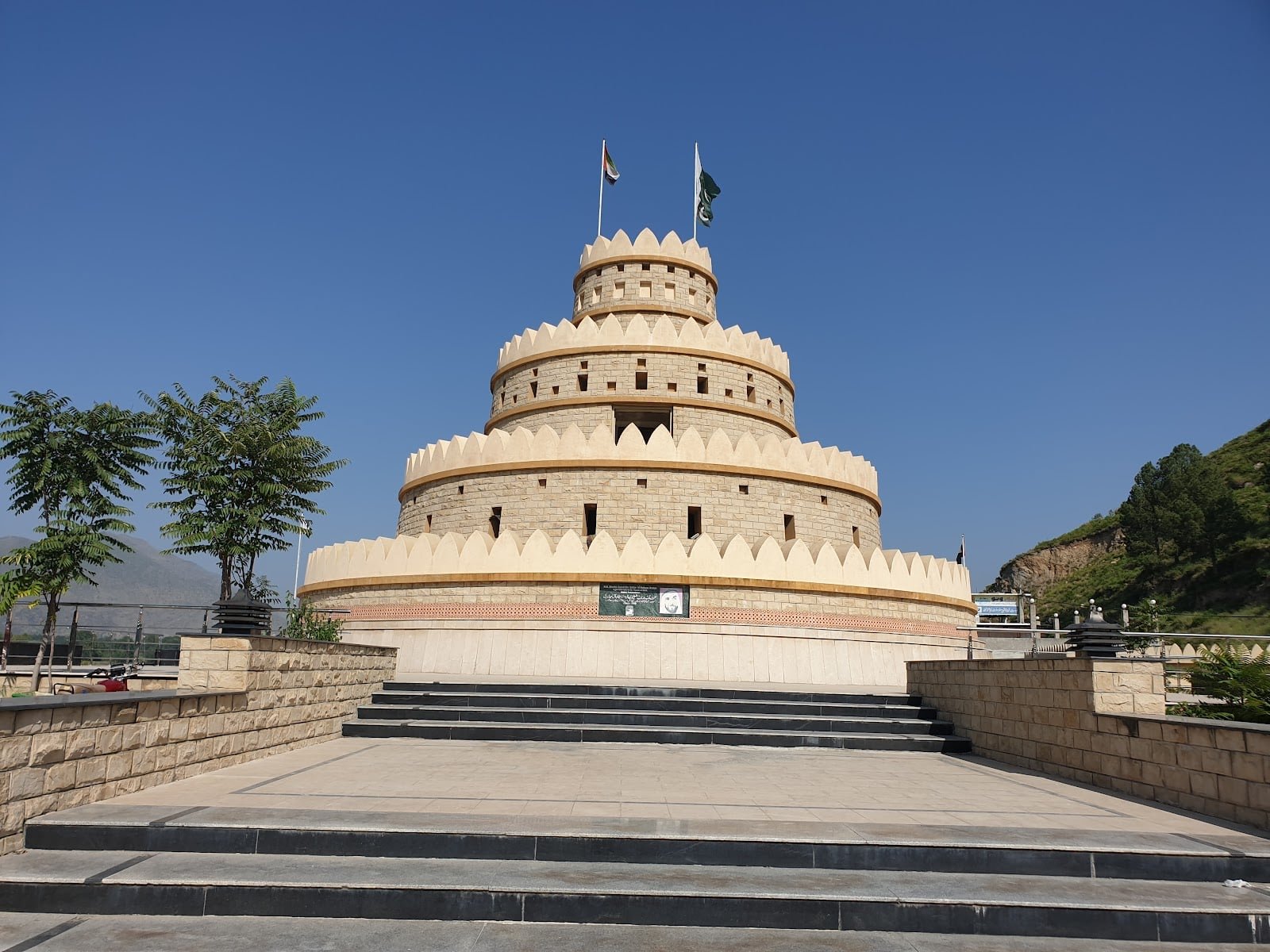
Iconic Bab-e-Swat monument and scenic mountain entrances to the valley.
LocalSpiced minced beef patties pan-fried with green chilies, coriander and pomegranate seeds.
A Pashtun classic loved across KP.
 Local
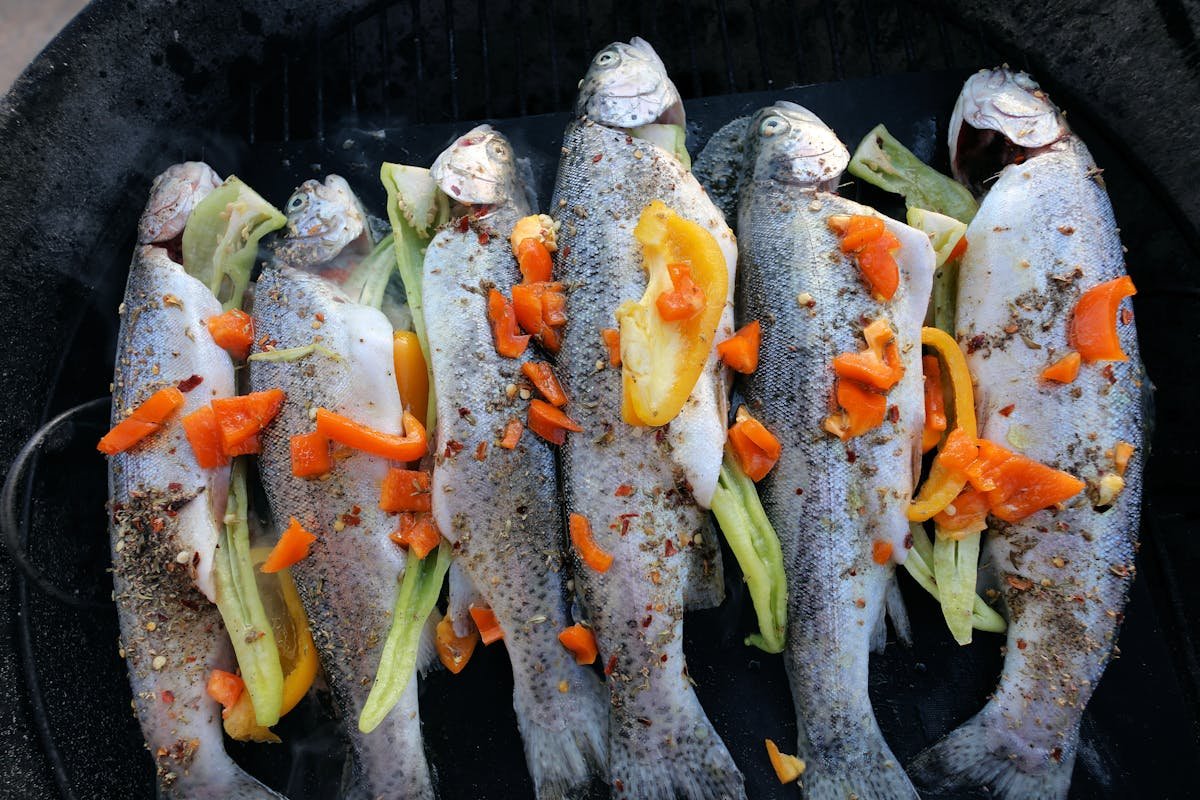
Fresh river trout grilled whole with peppers and mountain herbs.
A specialty of upper Swat streams.
 Local
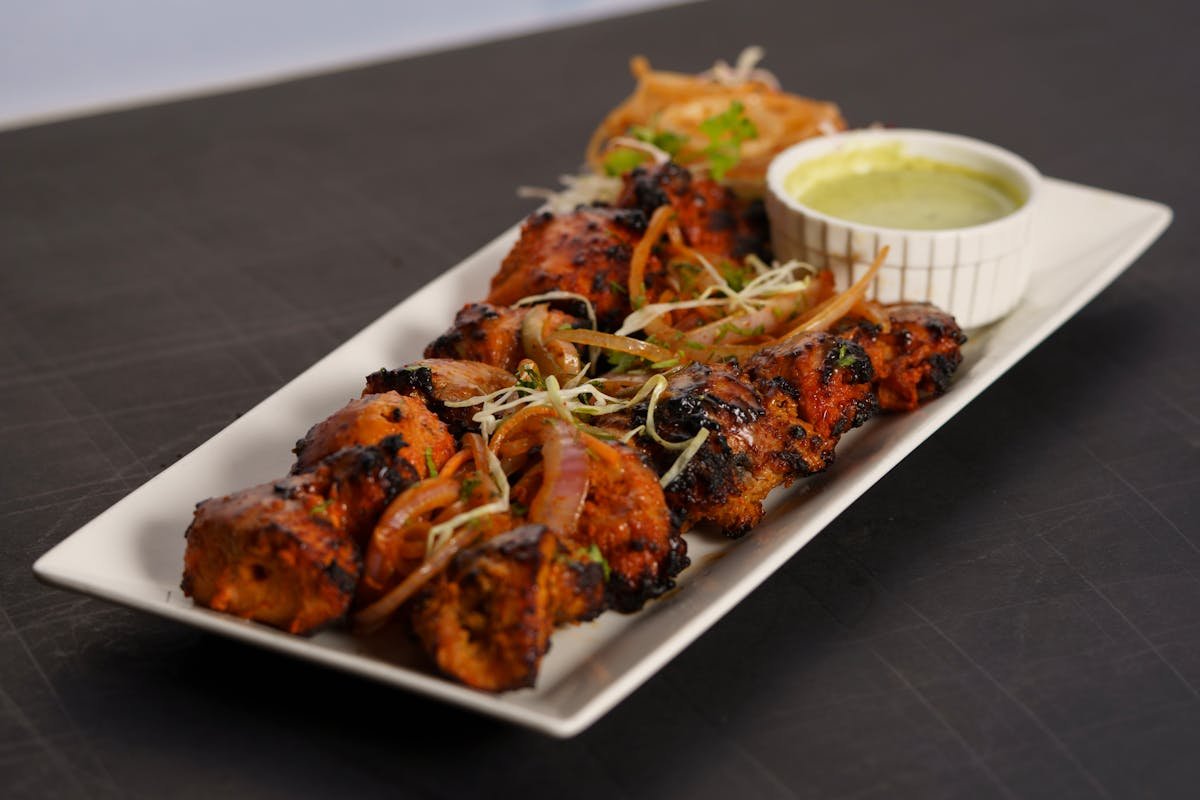
Yogurt-marinated chicken pieces fired on the grill with desi spices and lemon.
Served sizzling with chutney and naan.
 Local
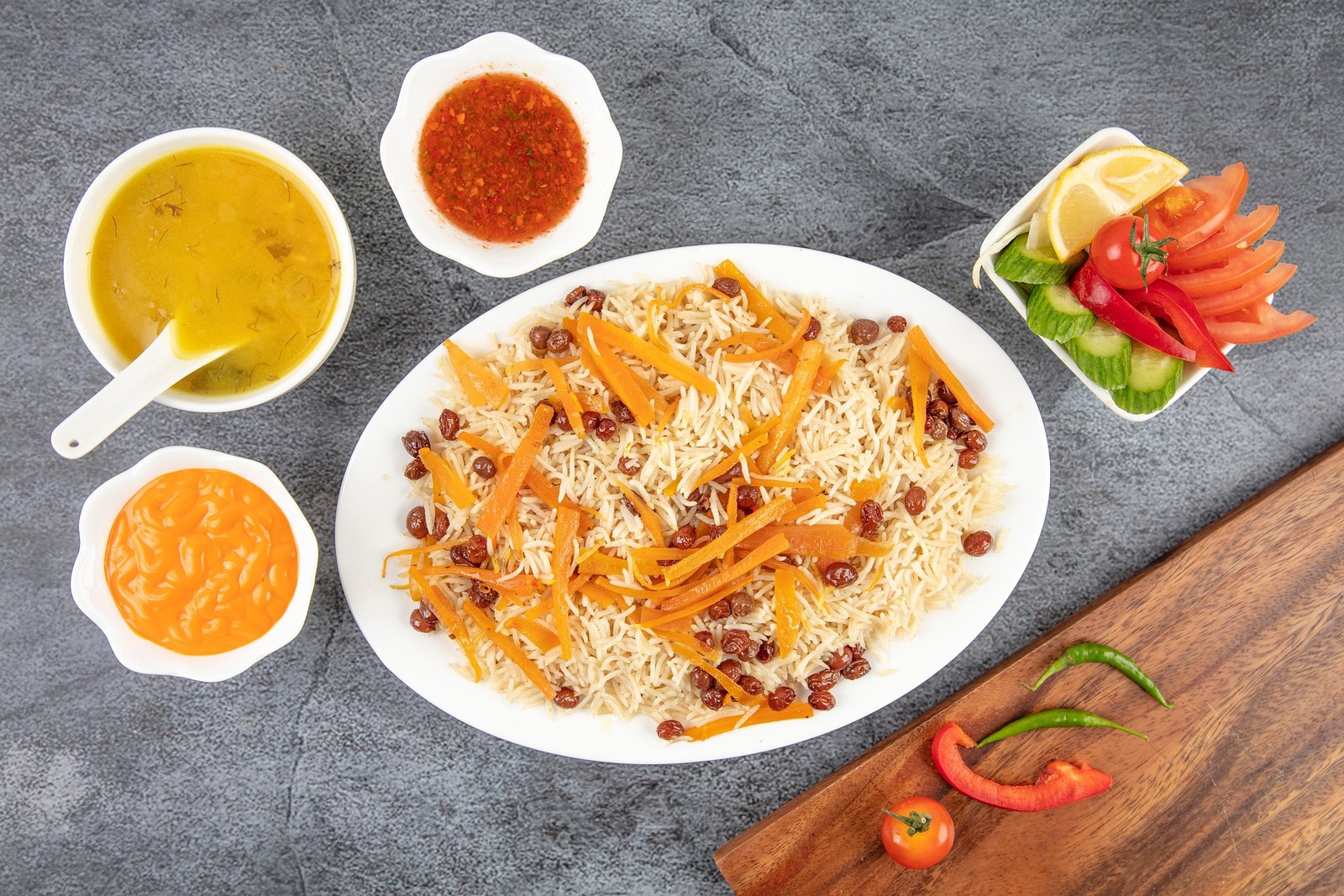
Long-grain rice steamed with lamb, caramelized carrots, raisins and almonds.
A festive Pashtun-Afghan favorite.
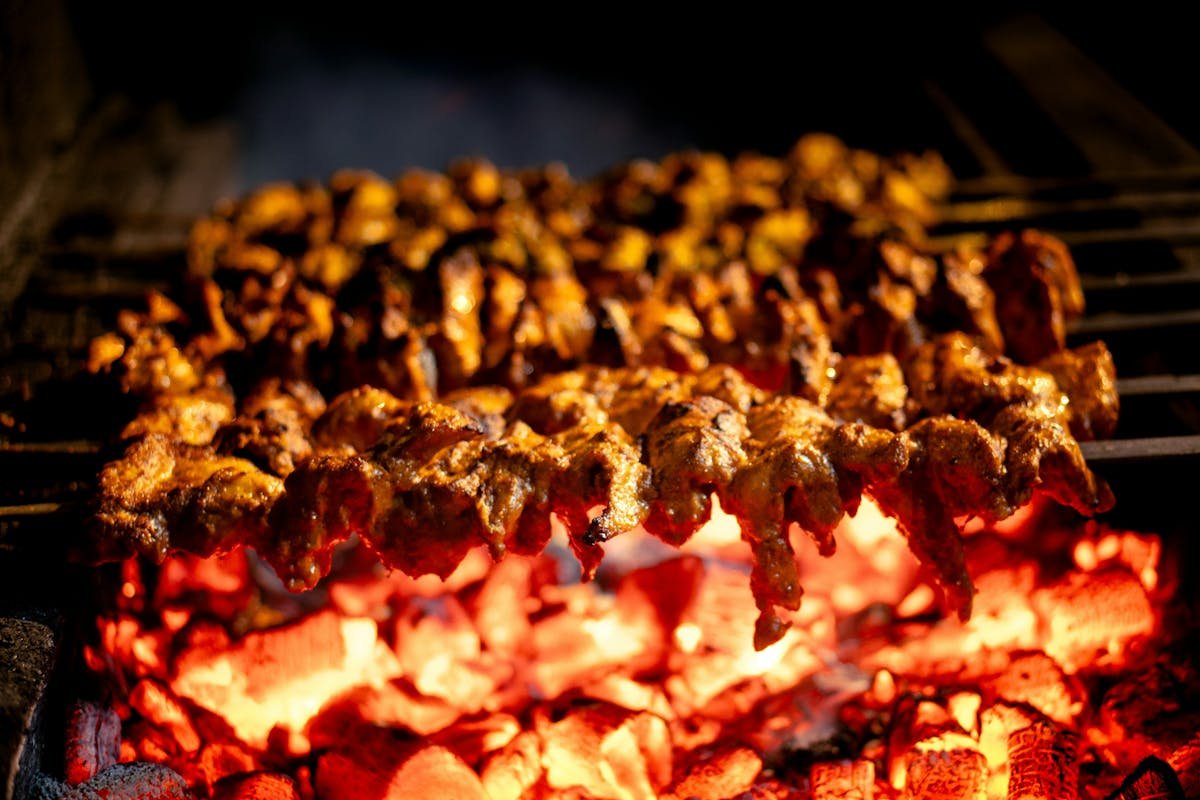 Local
Skewers of minced and tender meat grilled over glowing coals.
Common in bazaars from Mingora to Kalam.
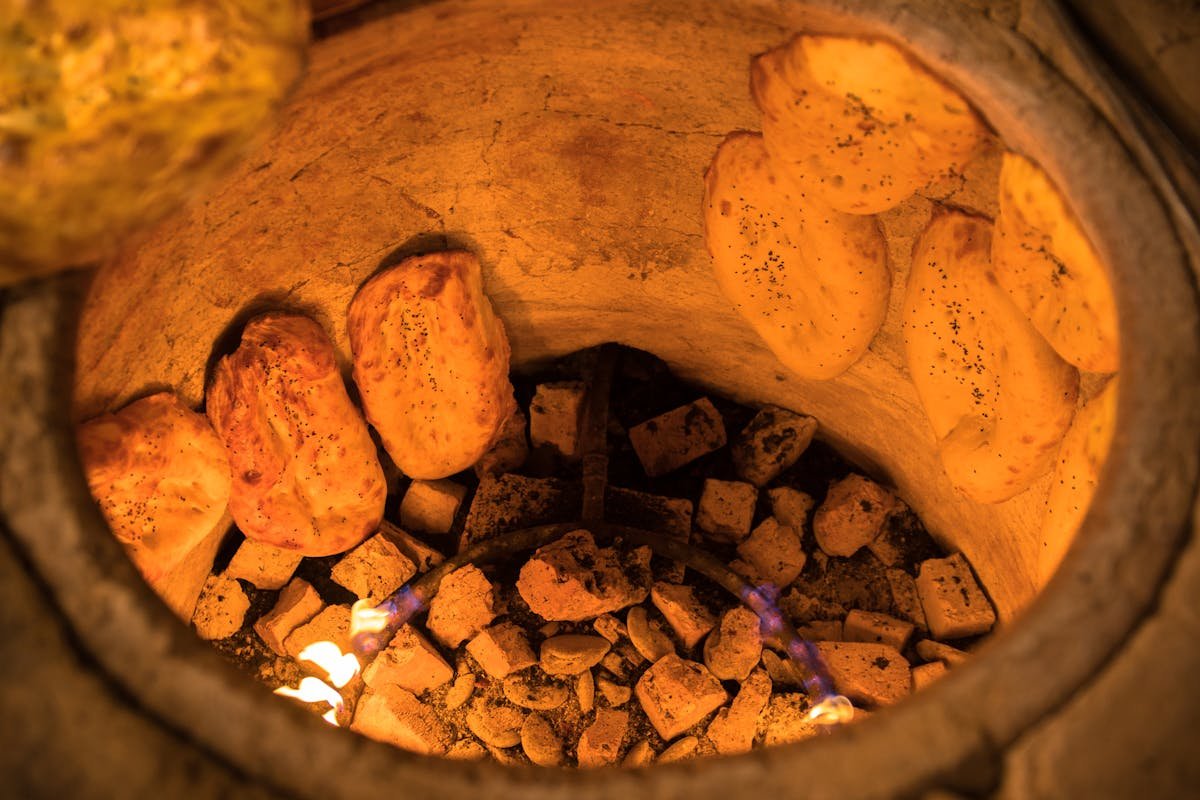 Local
Hand-stretched flatbread baked against the walls of a clay tandoor.
The everyday partner to every Pashtun meal.
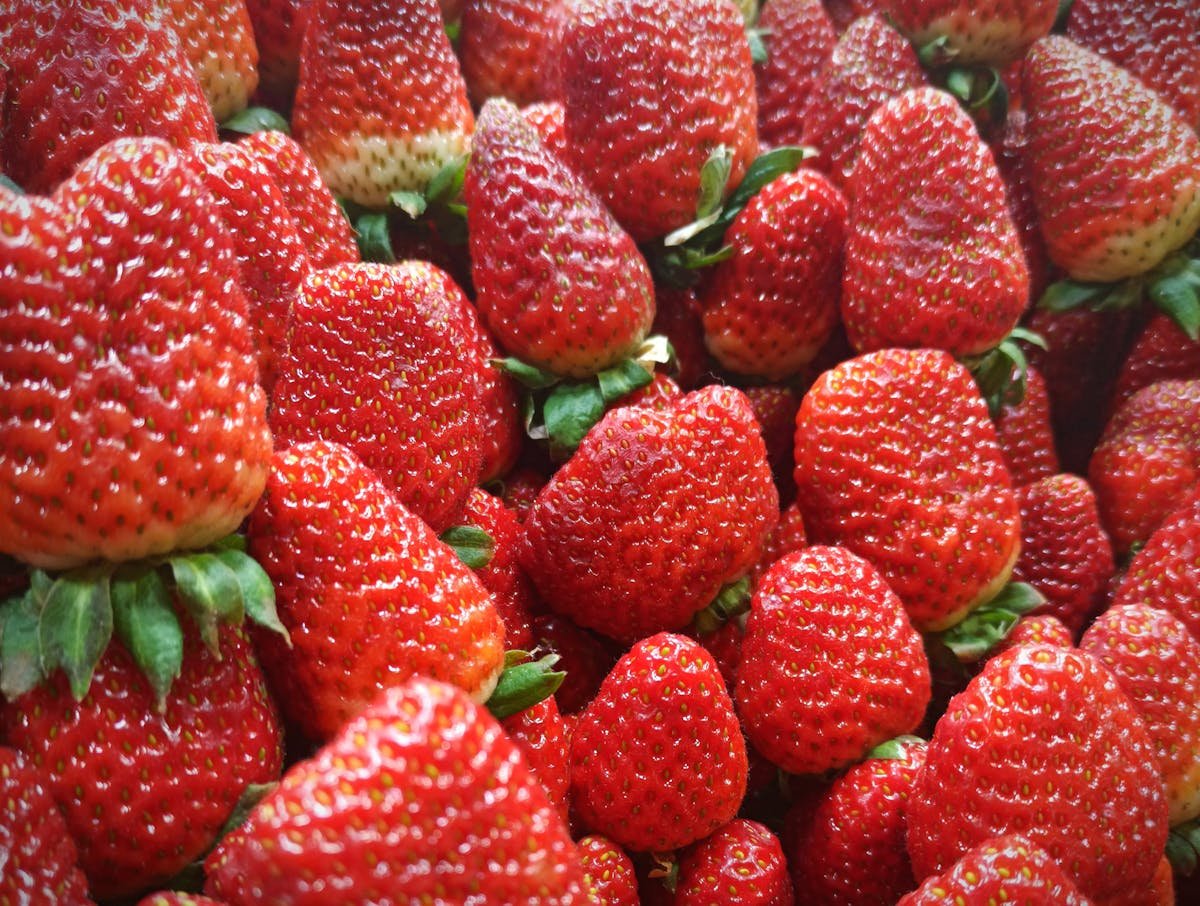
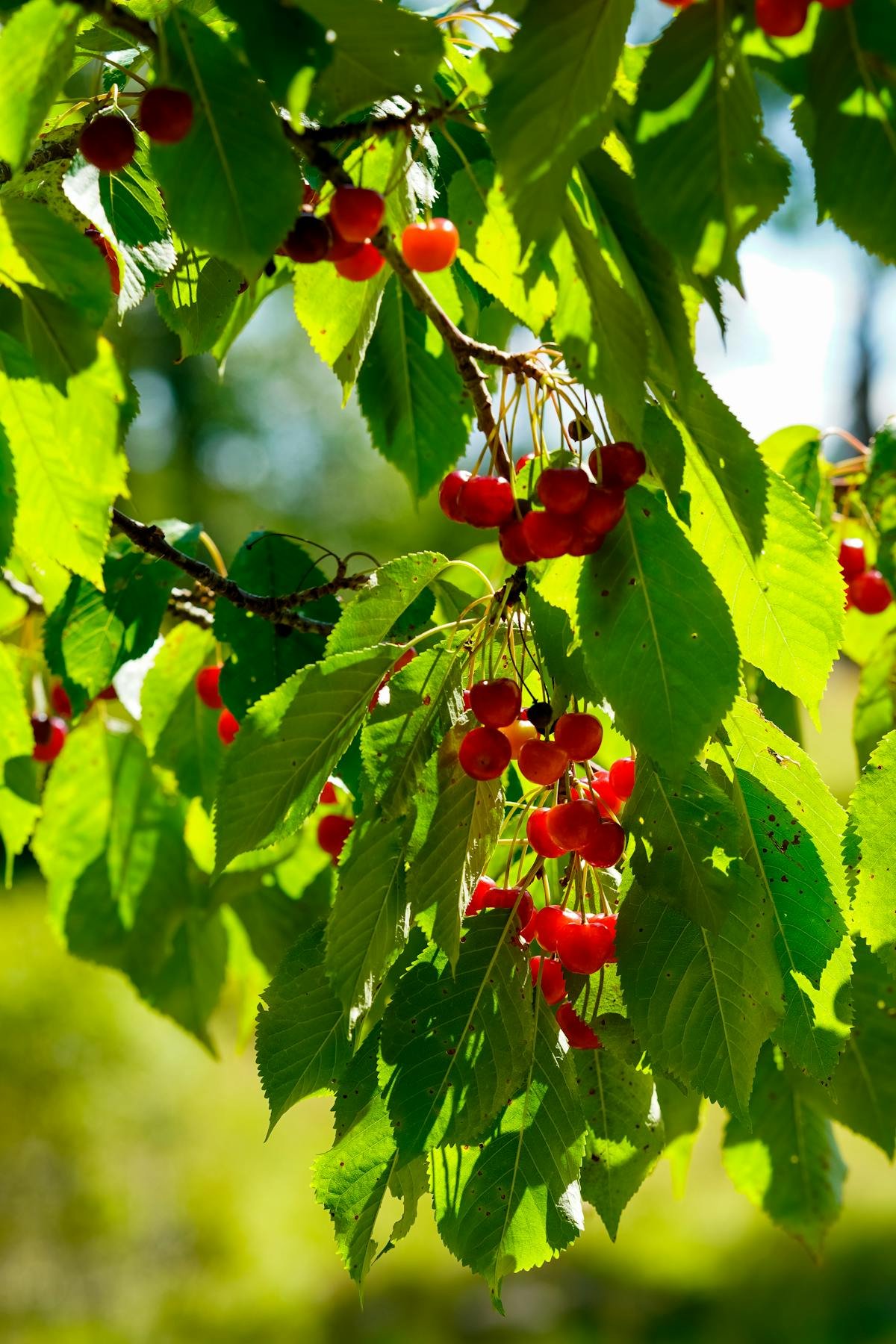
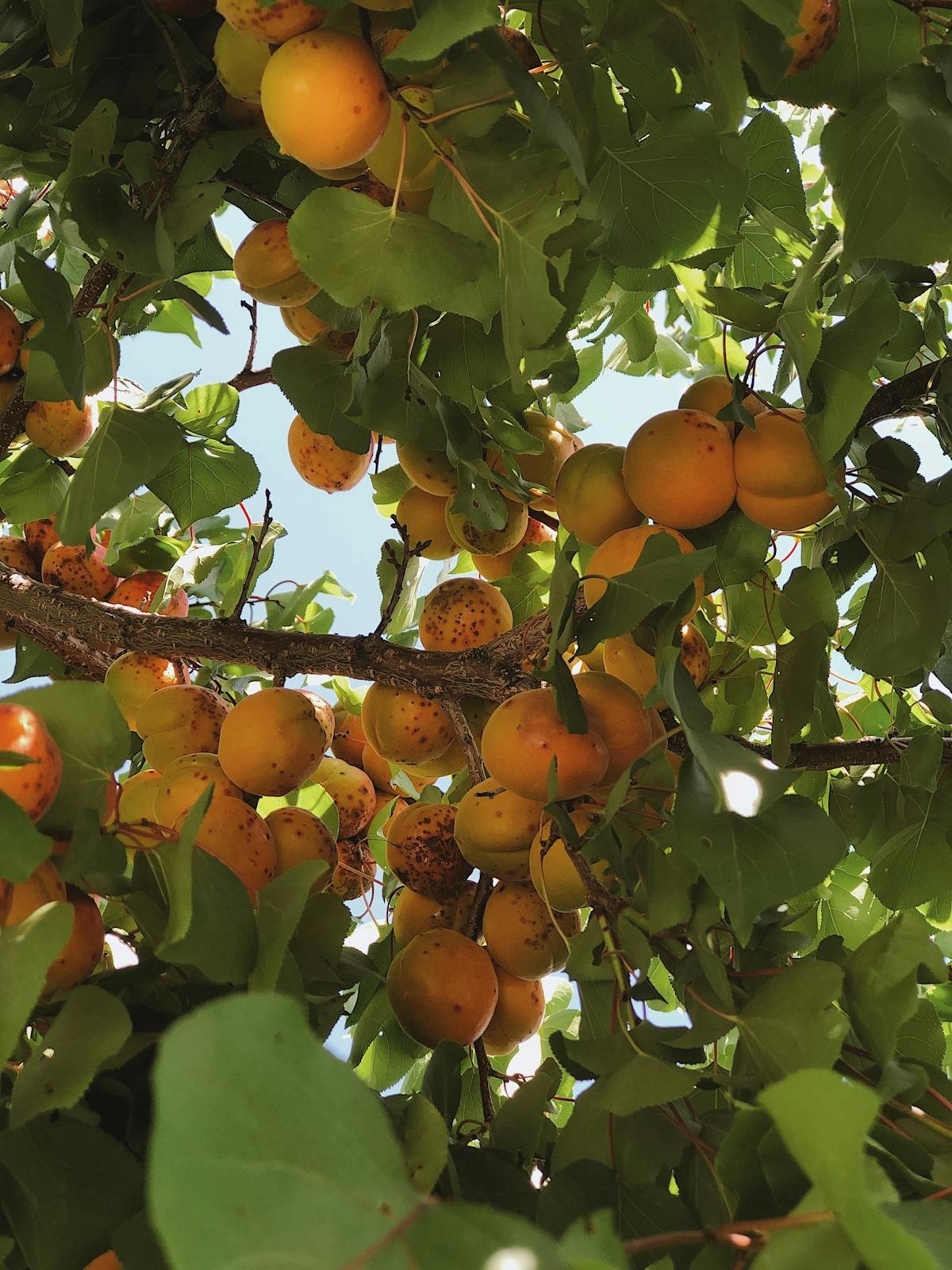
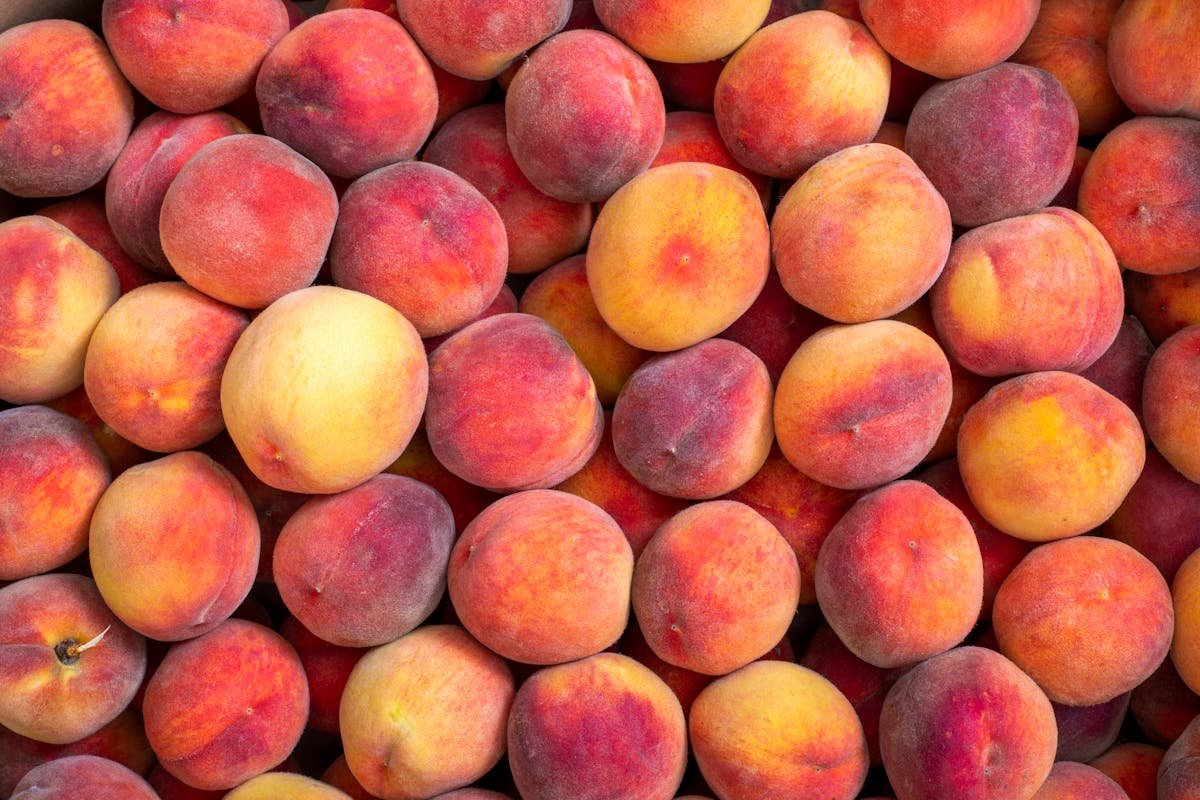
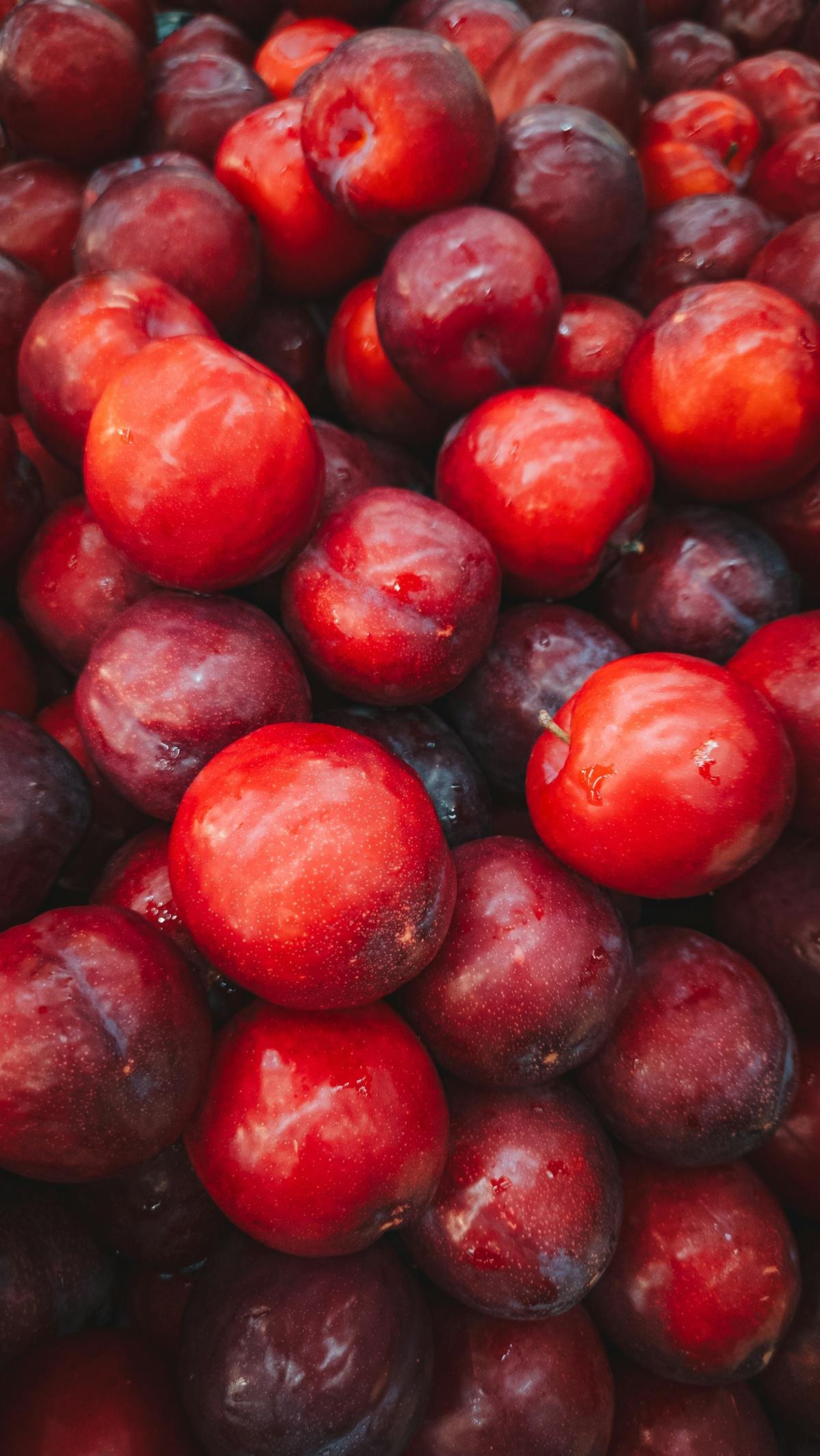
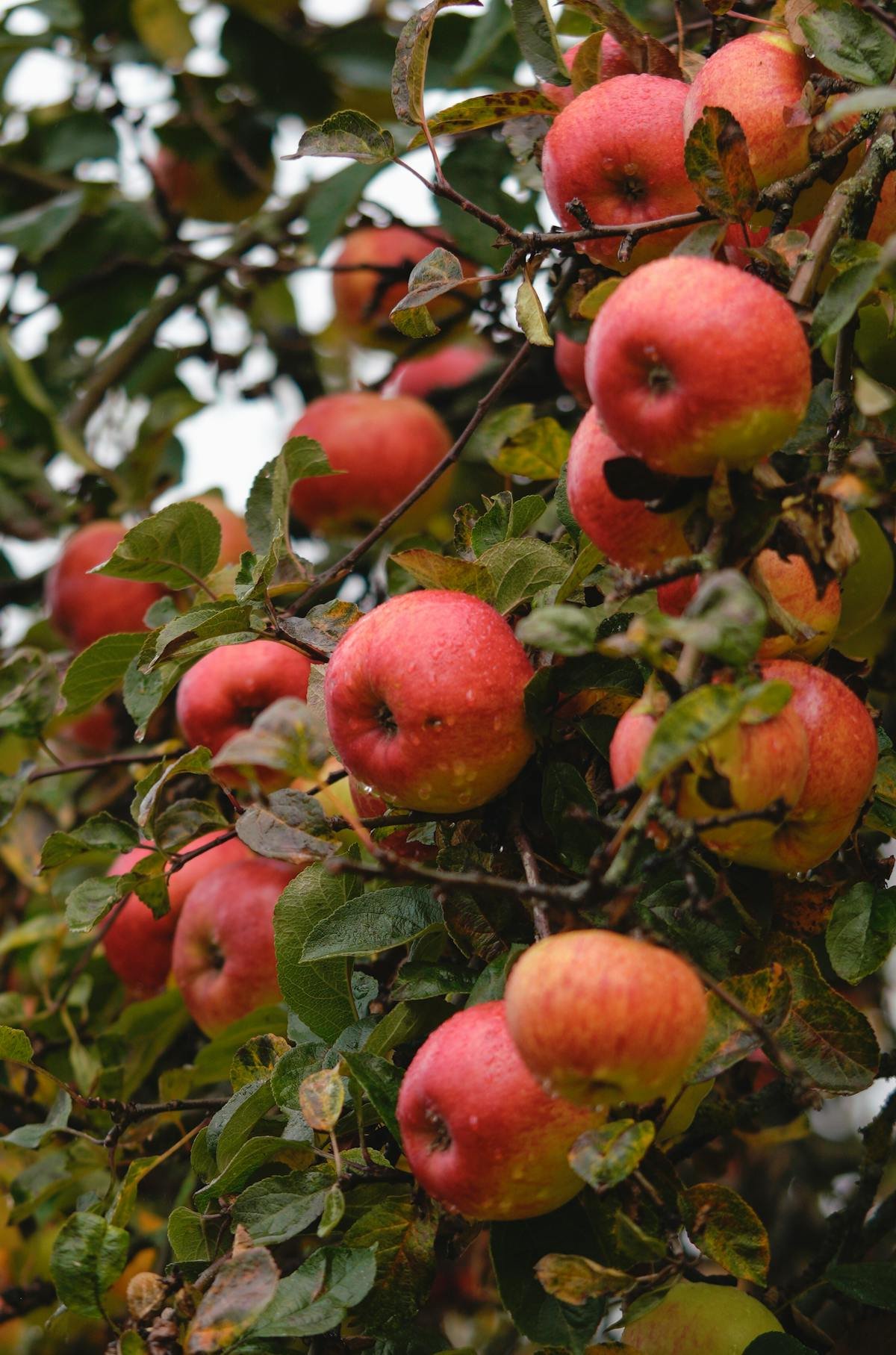
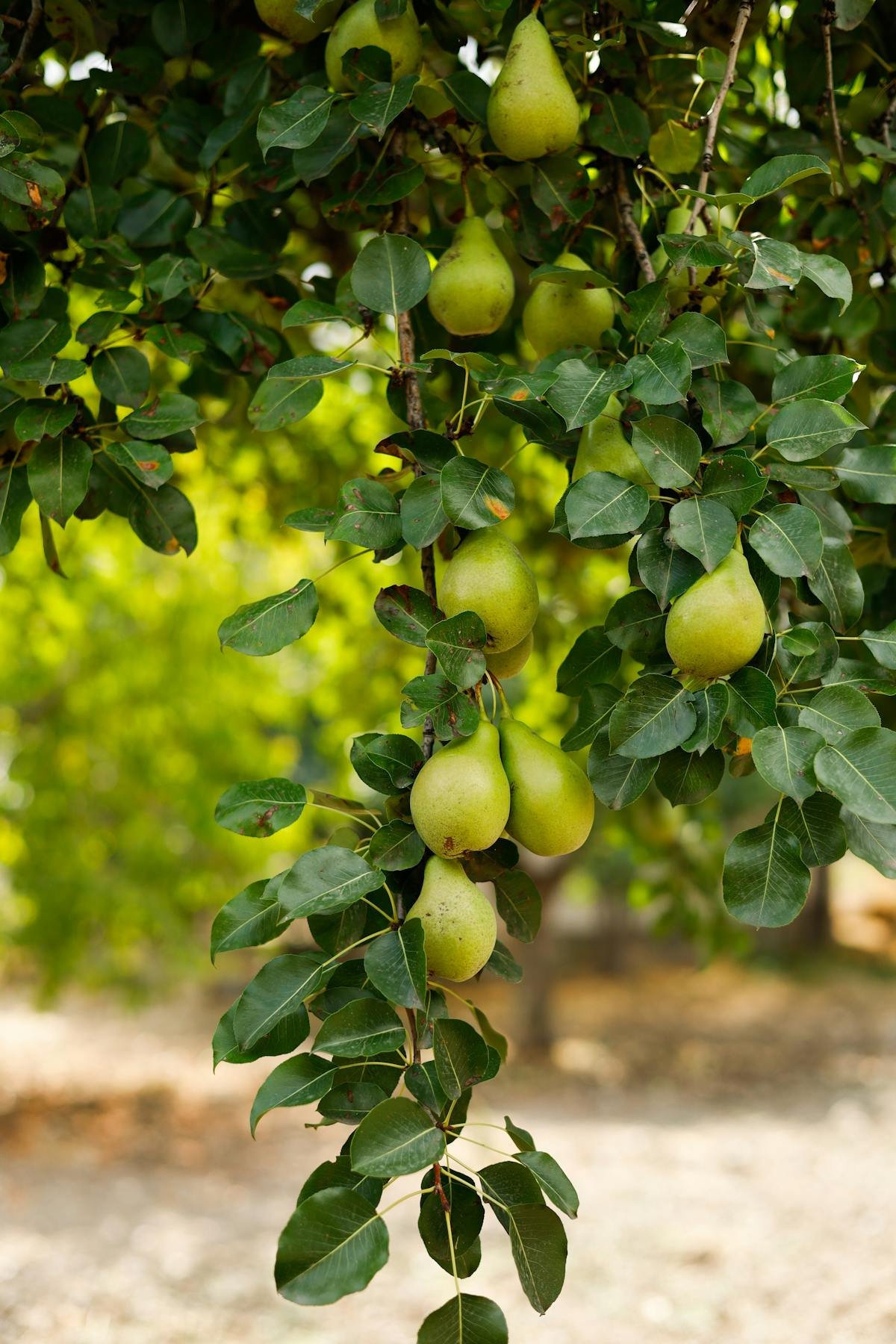
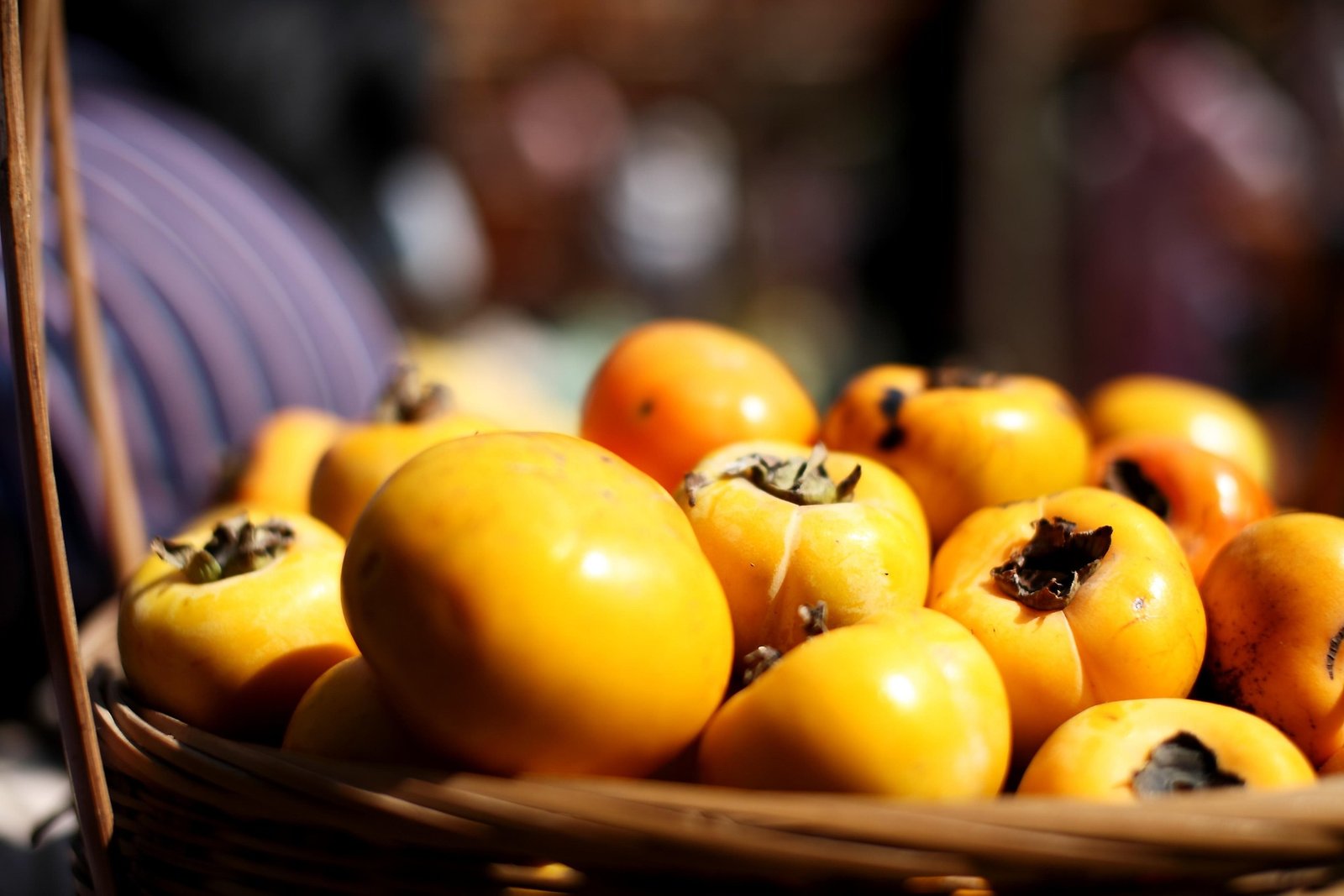
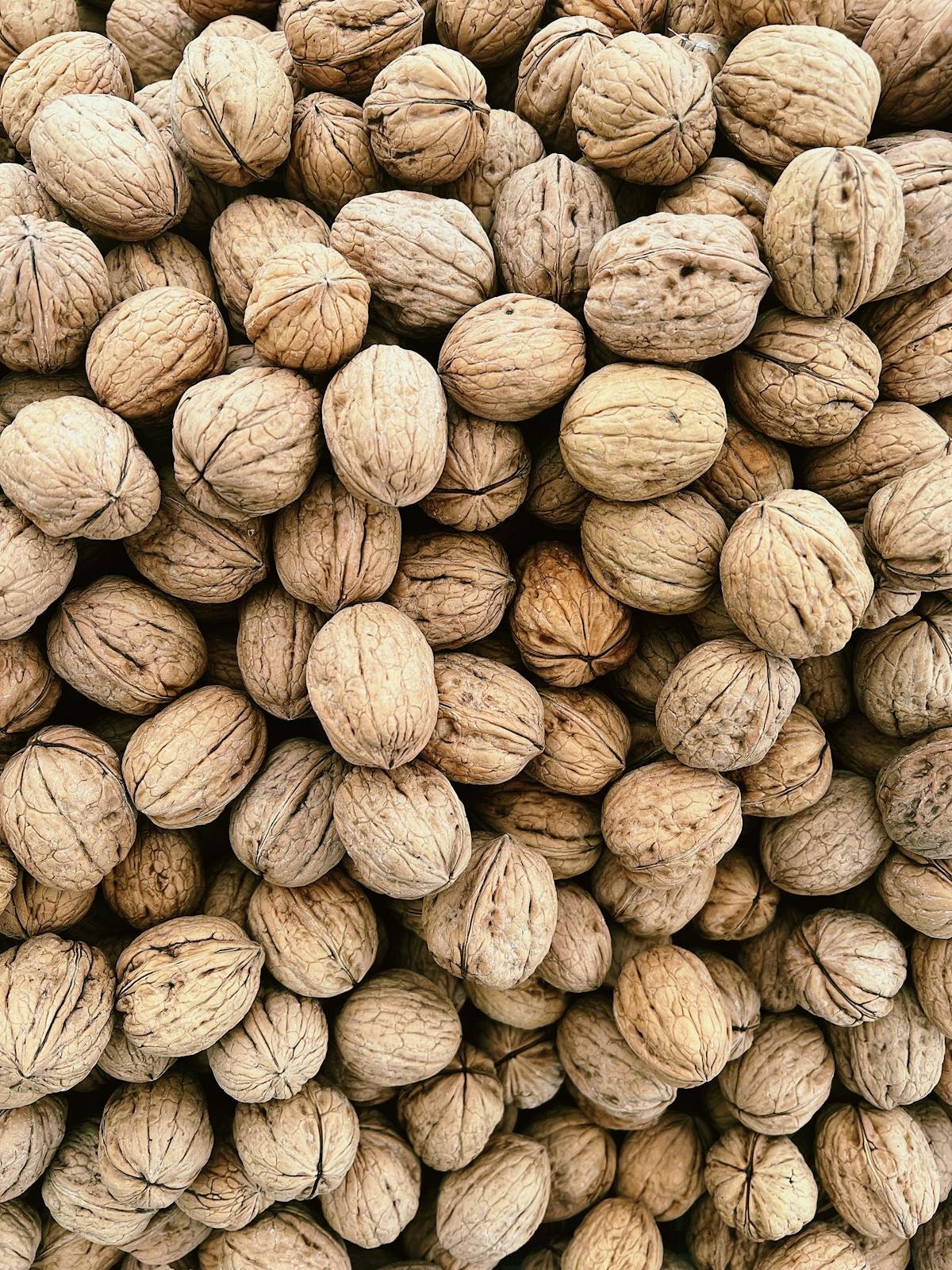
Spring starts with strawberries and mulberries. Summer brings peaches, apricots, plums and figs. Autumn is apples, pears, grapes, walnuts, quince, persimmons and pomegranates.
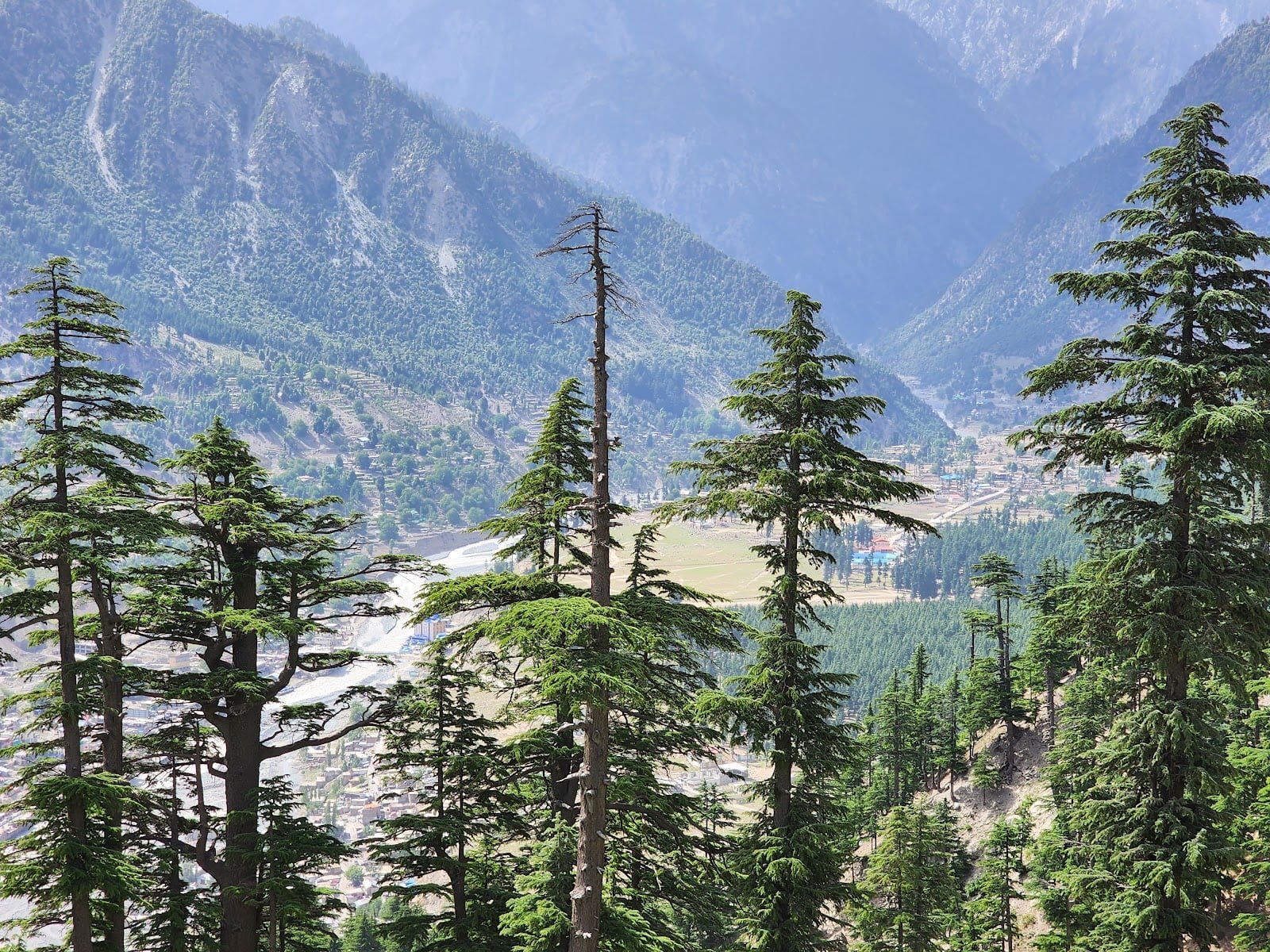
Fresh greenery, blossoms, and mild weather.
March – May
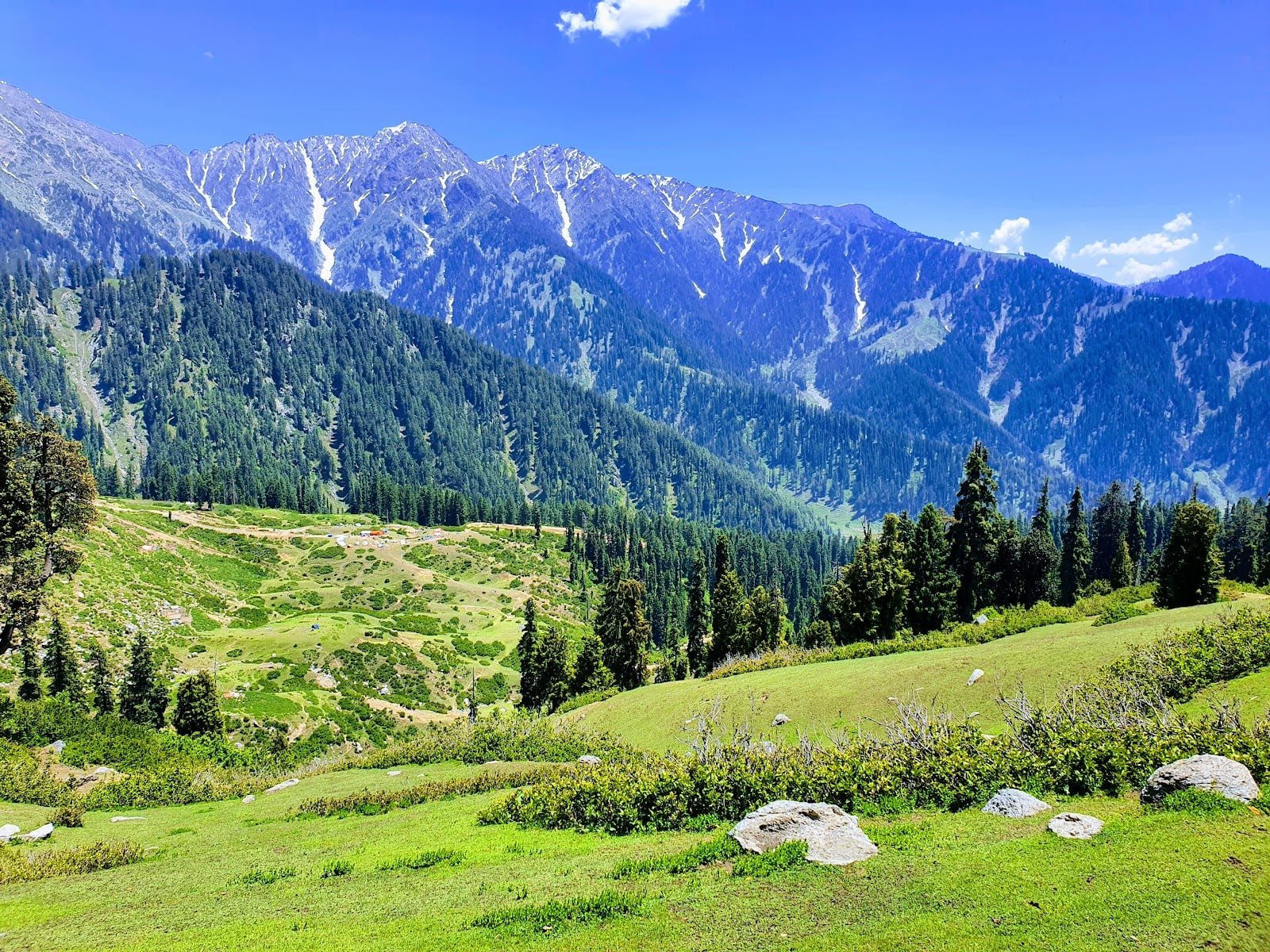
Best for valleys, rivers, lakes, and family travel.
June – August
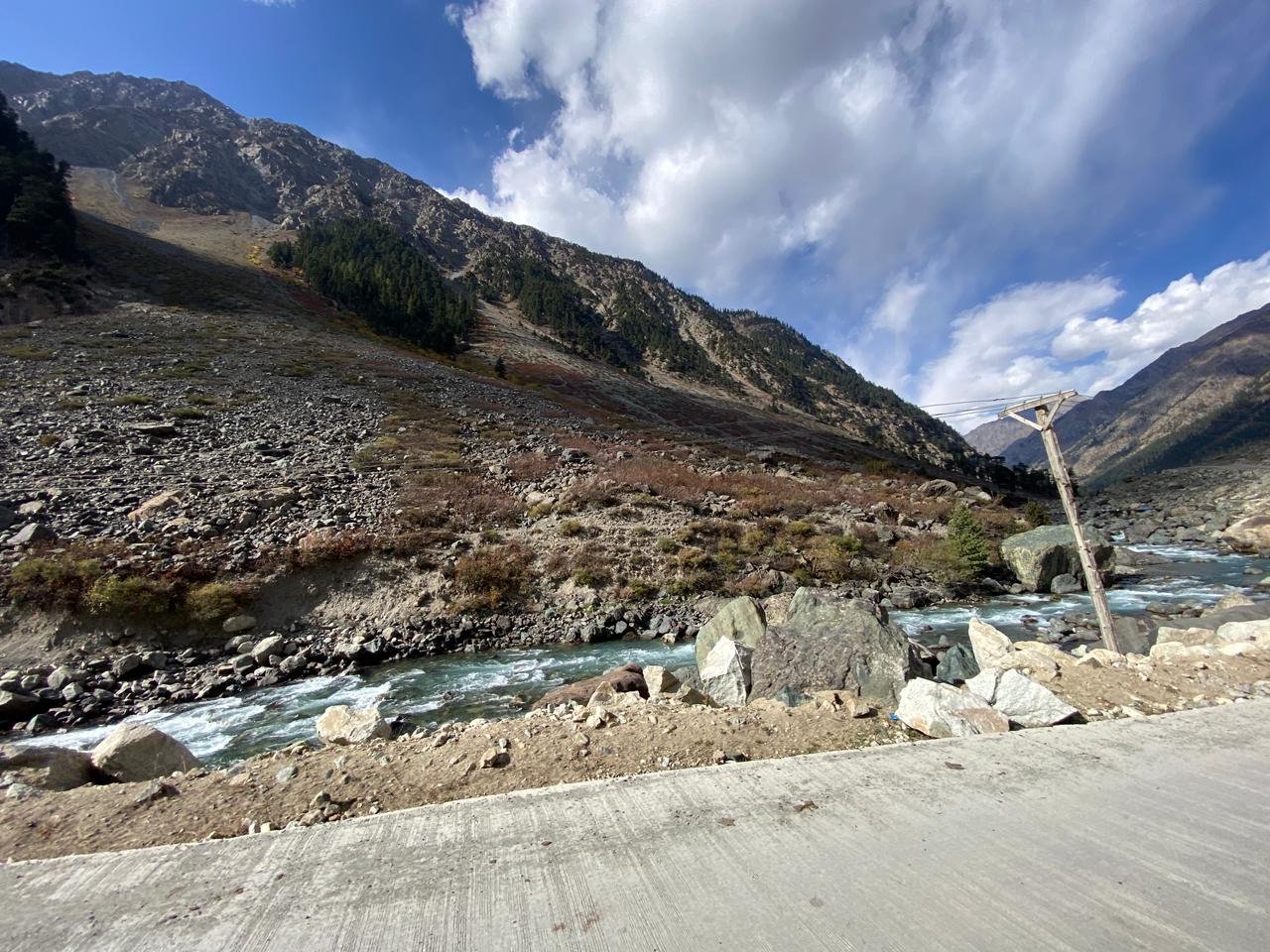
Golden views, peaceful atmosphere, photography.
September – November
Snow views, Malam Jabba, cold weather experience.
December – February
Ten quick notes to help you pack light, drive safe, and travel kindly through the valley.
Full travel guideMay to September for green valleys, December to February for snow.
Layers, walking shoes, sunscreen, power bank, and a small first-aid kit.
Mountain weather shifts fast, carry a light jacket even in summer.
Start early, avoid night driving on hill roads, and keep fuel topped up.
Pick comfortable stays near main towns and plan short daily drives.
Dress modestly, greet warmly, and ask before photographing people.
Golden hour over Mahodand and Ushu Forest offers stunning frames.
Carry your trash back and avoid disturbing wildlife or plants.
Inform someone of your route, especially when trekking.
A few Pashto words like "Salam" and "Manana" go a long way.
A scroll through the mountains, lakes, forests, food, and culture that shape the valley.
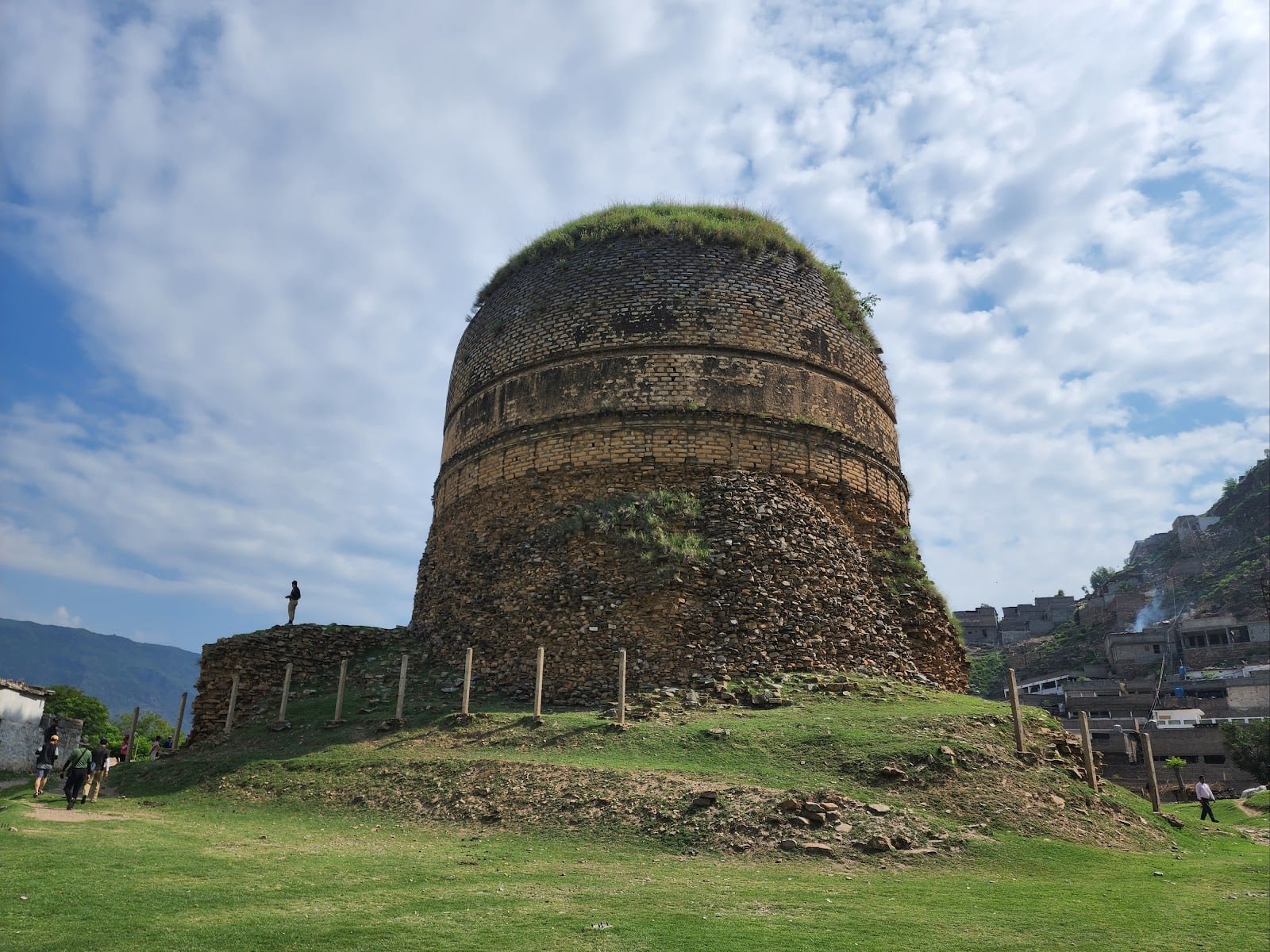
Long reads and quick notes from across the valley, written for travelers who want context, not clickbait.
Cake may not exist in Kalam. A paratha, fruit, and tea on a safe balcony can be the birthday if you tell the hotel the night before.
Read articleUse the child seat you use in the city. If a jeep cannot fit it, skip the jeep. A lap is not a seat on a mountain track.
Read article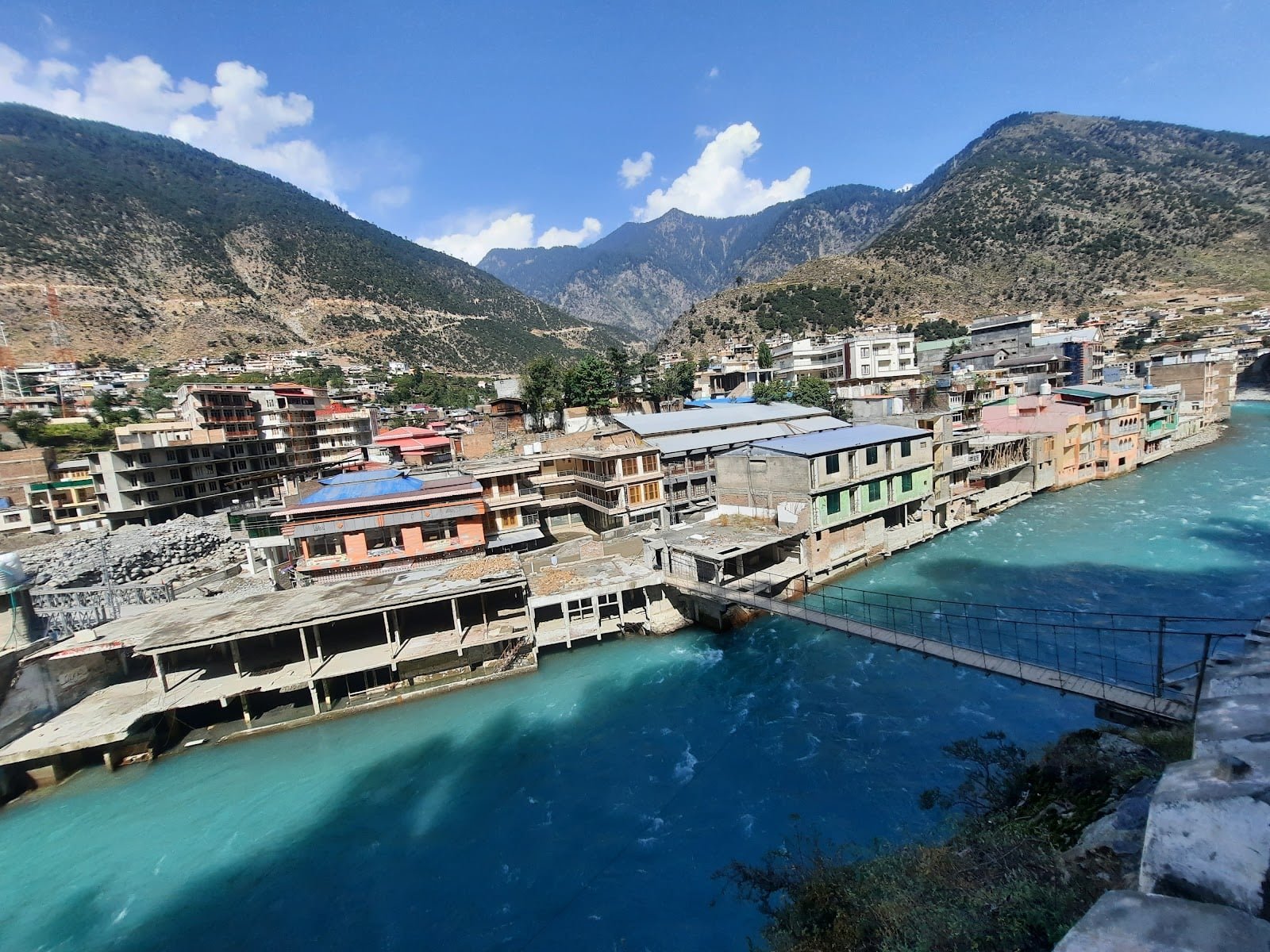
Meet in Bahrain for two nights: trout, a walk, and an early night. The drive home is the real third day.
Read article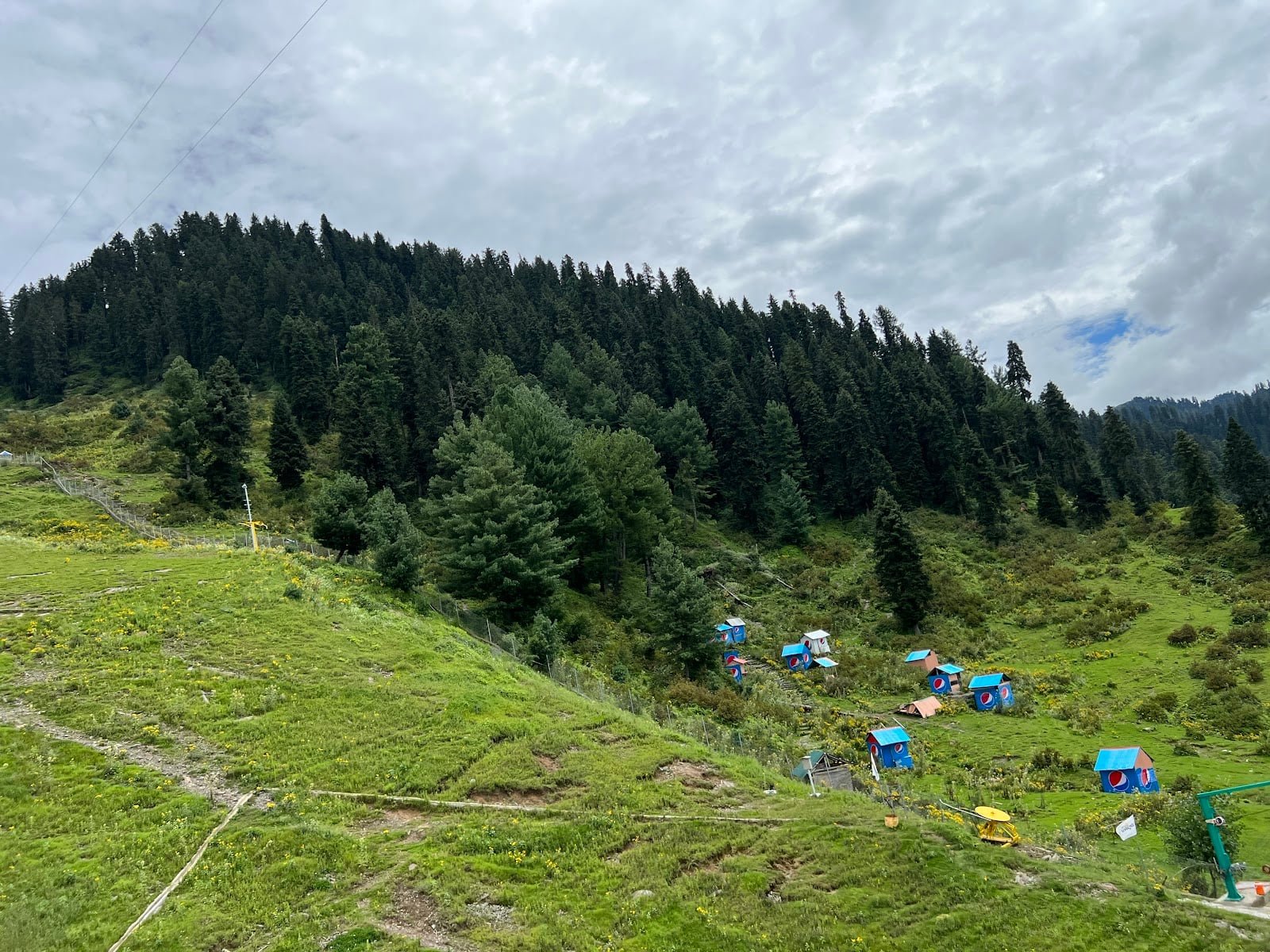
A school day at Malam Jabba needs a headcount, one medical kit, no students on railings, and a named hour back for lunch in Mingora.
Read article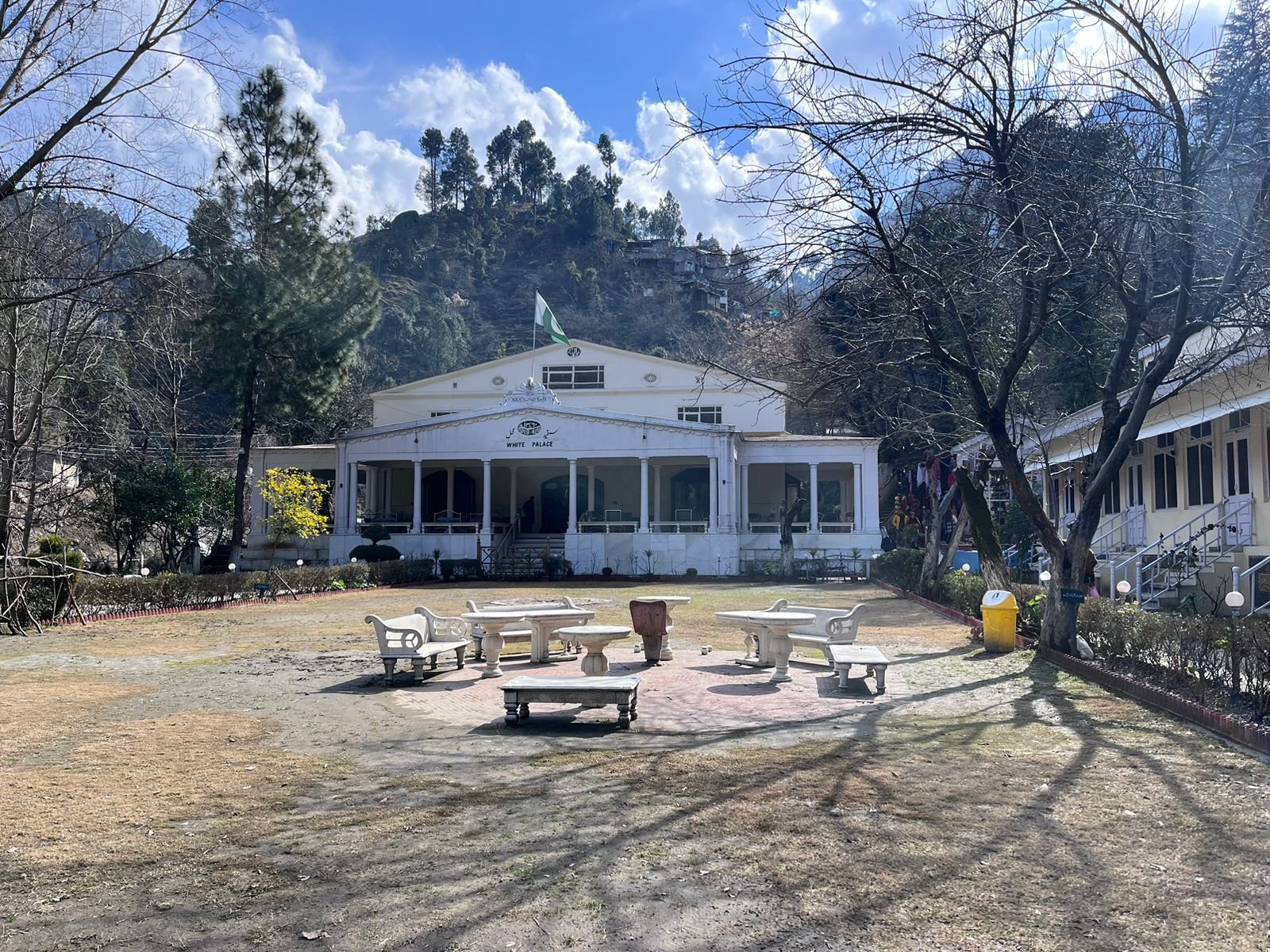
How to choose a wool shawl in Swat for a parent in Lahore or Karachi: feel, daylight, a fair price, and no boasting.
Read articleLearn about the places, culture, food, history, and natural beauty that make Swat Valley one of Pakistan’s most unforgettable destinations.